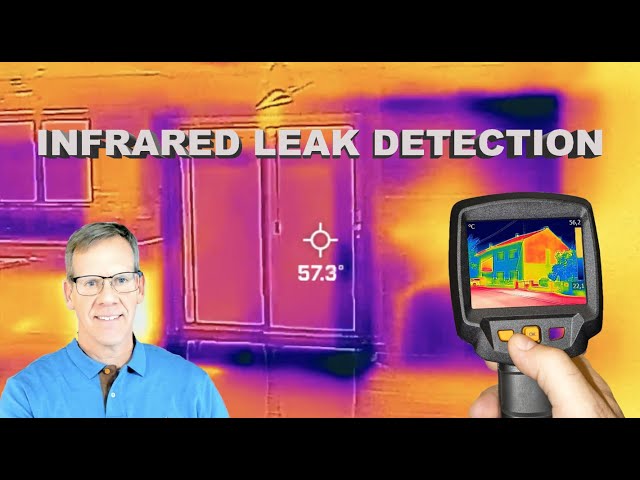
Maintaining a pest-free and leak-proof home exterior is essential for the structural integrity and overall well-being of your property. Regular inspections and proactive measures can help you stay ahead of potential problems and prevent costly repairs down the road.
Pests can cause damage to your home’s exterior by chewing on wood, insulation, and other materials. They can also leave behind droppings and nests, which can attract other pests and create health hazards. Leaks, on the other hand, can lead to water damage, mold growth, and rot. These issues can compromise the structural stability of your home and create an unhealthy living environment.
To effectively address pest control and leaks in your home’s exterior, it’s important to:
- Inspect your home regularly for signs of pests and leaks. Look for holes, cracks, or other openings where pests could enter your home. Check for water stains, mold growth, or other signs of leaks.
- Seal up any openings where pests could enter. Use caulk or weatherstripping to seal up cracks and holes around windows, doors, and pipes.
- Eliminate sources of food and water for pests. Keep your yard clean of debris and pet food. Repair any leaks that could provide water for pests.
- Contact a pest control professional if you have a pest infestation. A professional can identify the type of pest and recommend the best course of treatment.
- Get regular roof inspections to identify potential leaks. A professional roofer can inspect your roof for signs of damage or wear that could lead to leaks.
- Repair any leaks promptly. If you find a leak, it’s important to repair it as soon as possible to prevent further damage.
By following these tips, you can help protect your home from pests and leaks, ensuring a safe and healthy living environment for you and your family.
Pest Control and Leaks in Your Home’s Exterior
Maintaining a pest-free and leak-proof home exterior is crucial for the structural integrity and overall well-being of your property. Here are five key aspects to watch for:
- Pests: Inspect your home regularly for signs of pests, such as droppings, nests, or damage to wood or insulation.
- Leaks: Check for water stains, mold growth, or other signs of leaks around windows, doors, and pipes.
- Openings: Seal up any cracks or holes where pests could enter your home, such as around windows, doors, and pipes.
- Moisture: Eliminate sources of food and water for pests, such as pet food and standing water.
- Maintenance: Get regular roof inspections and promptly repair any leaks to prevent further damage.
By addressing these key aspects, you can help protect your home from pests and leaks, ensuring a safe and healthy living environment for you and your family. For instance, sealing up openings around windows and doors can prevent pests from entering your home, while regular roof inspections can help identify potential leaks before they cause major damage. Additionally, eliminating sources of moisture can help prevent mold growth and attract pests.
Pests
Regularly inspecting your home for pests is crucial for effective pest control and leak prevention. Pests can cause damage to your home’s exterior by chewing on wood, insulation, and other materials. They can also leave behind droppings and nests, which can attract other pests and create health hazards. By identifying and addressing pest problems early on, you can prevent them from causing significant damage to your home.
- Identify common pests and their signs. Familiarize yourself with the common types of pests that may infest your home, such as termites, ants, rodents, and birds. Learn to recognize the signs of their presence, such as droppings, nests, or damage to wood or insulation.
- Inspect your home regularly. Regularly inspect the exterior of your home for signs of pests. Check areas where pests are likely to enter, such as around windows, doors, and pipes. Also, inspect areas where pests may nest, such as in attics, crawl spaces, and sheds.
- Seal up entry points. Once you have identified areas where pests may be entering your home, seal up those entry points. Use caulk or weatherstripping to seal up cracks and holes around windows, doors, and pipes. Repair any damaged screens or vents.
- Eliminate sources of food and water. Pests are attracted to food and water sources. Keep your yard clean of debris and pet food. Repair any leaks that could provide water for pests.
By following these tips, you can help prevent pests from infesting your home and causing damage. Regular inspections and proactive measures are key to maintaining a pest-free and leak-proof home.
Leaks
Leaks in your home’s exterior can provide an entry point for pests and contribute to pest infestations. Moisture attracts pests such as termites, ants, and rodents, as it provides a source of water and can create suitable conditions for their survival and reproduction.
- Structural damage: Leaks can damage the structural integrity of your home by rotting wood, corroding metal, and weakening foundations. This can lead to costly repairs and compromise the safety and stability of your property.
- Mold growth: Moisture from leaks can lead to mold growth, which can cause respiratory problems and other health issues for occupants. Mold can also damage building materials and furnishings.
- Pest infestations: As mentioned earlier, leaks can attract pests by providing a source of water. Pests can then enter your home through openings created by leaks or through damaged areas of your home’s exterior.
- Increased energy costs: Leaks can increase your energy costs by allowing warm air to escape in the winter and cool air to enter in the summer. This can put a strain on your HVAC system and lead to higher energy bills.
To prevent leaks and their associated problems, it’s important to regularly inspect your home’s exterior for signs of leaks. Check for water stains, mold growth, or other signs of moisture around windows, doors, and pipes. If you find any leaks, it’s important to repair them promptly to prevent further damage and pest infestations.
Openings
Openings in your home’s exterior provide an easy entry point for pests. Pests can enter your home through even the smallest cracks or holes, such as those around windows, doors, and pipes. Once inside, pests can cause damage to your home and belongings, and they can also spread diseases.
- Structural damage: Pests can damage the structural integrity of your home by chewing on wood, insulation, and other materials. This can lead to costly repairs and compromise the safety and stability of your property.
- Contamination: Pests can contaminate your food and water sources, which can lead to illness. They can also spread diseases to humans and pets.
- Allergic reactions: Some pests, such as cockroaches and rodents, can trigger allergic reactions in some people.
- Fire hazards: Some pests, such as rodents, can chew on electrical wires, which can create a fire hazard.
To prevent pests from entering your home, it’s important to seal up any cracks or holes in your home’s exterior. You can do this by using caulk or weatherstripping to seal up gaps around windows and doors. You can also use expanding foam to fill larger holes or cracks.
By sealing up openings in your home’s exterior, you can help to prevent pests from entering your home and causing damage. This will help to protect your family’s health and safety, and it will also help to save you money on repairs.
Moisture
Eliminating sources of food and water for pests is a crucial aspect of pest control and leak prevention in your home’s exterior. Moisture attracts pests such as termites, ants, and rodents, as it provides a source of water and can create suitable conditions for their survival and reproduction.
- Pest attraction: Pests are attracted to moisture, as it is essential for their survival. Eliminating sources of food and water can help to reduce the number of pests around your home.
- Leak prevention: Leaks can provide a source of moisture for pests. By eliminating sources of food and water, you can help to prevent leaks from attracting pests.
- Structural damage: Pests can damage the structural integrity of your home by chewing on wood, insulation, and other materials. Eliminating sources of food and water can help to prevent pests from causing damage to your home.
- Health hazards: Pests can contaminate food and water sources, which can lead to illness. Eliminating sources of food and water can help to reduce the risk of pests spreading diseases.
By eliminating sources of food and water for pests, you can help to reduce the number of pests around your home, prevent leaks, and protect your family’s health and safety.
Maintenance
Regular roof inspections and prompt leak repairs are essential components of a comprehensive pest control and leak prevention strategy for your home’s exterior. Leaks in your roof can provide an entry point for pests and contribute to pest infestations. Moisture from leaks can attract pests such as termites, ants, and rodents, as it provides a source of water and can create suitable conditions for their survival and reproduction.
Furthermore, leaks can damage the structural integrity of your home by rotting wood, corroding metal, and weakening foundations. This can lead to costly repairs and compromise the safety and stability of your property. Pests can also cause damage to your home’s exterior by chewing on wood, insulation, and other materials. By promptly repairing leaks, you can help to prevent these problems and protect your home from pests.
Regular roof inspections are also important for identifying potential leaks before they cause damage. By having your roof inspected regularly, you can identify and repair small leaks before they become major problems. This can help to prevent costly repairs and protect your home from pests and leaks.
FAQs About Pest Control and Leaks in Your Home’s Exterior
Regular maintenance and inspections are crucial for preventing pest infestations and leaks in your home’s exterior. Here are answers to some frequently asked questions about this topic:
Question 1: What are some common signs of a pest infestation in my home’s exterior?
Answer: Look for droppings, nests, or damage to wood or insulation. Pests may also leave behind an unpleasant odor.
Question 2: How can I prevent pests from entering my home through leaks?
Answer: Seal up any cracks or holes around windows, doors, and pipes. Repair any leaks promptly to prevent moisture buildup, which attracts pests.
Question 3: What are some common types of leaks that can attract pests?
Answer: Leaks around windows, doors, roofs, and pipes are common entry points for pests. These leaks provide moisture and a suitable environment for pests to thrive.
Question 4: How often should I inspect my home’s exterior for pests and leaks?
Answer: Regularly inspect your home’s exterior, especially during seasonal changes or after storms. This will help you identify potential issues early on.
Question 5: What should I do if I find signs of a pest infestation or a leak?
Answer: Contact a licensed pest control professional or a qualified roofer promptly to address the issue. Ignoring these problems can lead to more severe damage and health hazards.
Question 6: Are there any DIY methods I can use to prevent pests and leaks?
Answer: While regular inspections and sealing small gaps are important, complex pest infestations or leaks may require professional assistance. Attempting DIY repairs without proper knowledge or experience can worsen the problem.
Regular maintenance, prompt repairs, and professional assistance are key to protecting your home from pests and leaks. By addressing these issues proactively, you can ensure a safe and healthy living environment for your family.
If you have any further questions or concerns about pest control and leaks in your home’s exterior, it’s always advisable to consult with a qualified professional.
Tips to Prevent Pests and Leaks in Your Home’s Exterior
Maintaining a pest-free and leak-proof home exterior not only enhances the aesthetics of your property but also safeguards its structural integrity and ensures the well-being of your family. Here are some essential tips to help you achieve this:
Tip 1: Regular Inspections
Regularly inspect the exterior of your home, paying close attention to areas where pests may enter or leaks may occur. Check for cracks, holes, or gaps around windows, doors, pipes, and the roof.
Tip 2: Seal Entry Points
Seal up any identified cracks, holes, or gaps using caulk, weatherstripping, or expanding foam. This will prevent pests from entering your home and moisture from seeping in.
Tip 3: Eliminate Moisture Sources
Remove standing water around your home, such as in clogged gutters or birdbaths. Repair any leaks promptly to prevent moisture buildup, which attracts pests and facilitates leaks.
Tip 4: Maintain Gutters and Downspouts
Ensure that your gutters and downspouts are clean and free of debris. Proper drainage prevents water from accumulating around your home’s foundation, minimizing the risk of leaks and pest infestations.
Tip 5: Trim Overhanging Branches
Trim tree branches that overhang your roof or come into contact with your home’s exterior. This reduces the likelihood of pests using branches as a bridge to enter your home and prevents leaves and debris from clogging gutters.
Tip 6: Inspect and Maintain Roof
Schedule regular roof inspections to identify and repair any damage or leaks. A well-maintained roof prevents water penetration, which can lead to structural issues and attract pests.
Tip 7: Store Firewood Properly
Store firewood at least 20 feet away from your home and off the ground. This prevents termites and other pests from using firewood as a breeding ground and gaining access to your home.
Tip 8: Use Pest Control Services
If you suspect a pest infestation, contact a licensed pest control professional. They can identify the type of pest, determine the extent of the infestation, and recommend appropriate treatment options.
By following these tips, you can proactively protect your home’s exterior from pests and leaks. Regular inspections, timely repairs, and proper maintenance will ensure a safe, healthy, and pest-free living environment for you and your family.
Conclusion
Maintaining a pest-free and leak-proof home exterior is paramount for preserving the structural integrity of your property and ensuring the well-being of your family. Regular inspections, prompt repairs, and proactive measures are crucial to prevent costly damage and health hazards.
By understanding the signs of pest infestations and leaks, homeowners can take necessary steps to seal entry points, eliminate moisture sources, and maintain their home’s exterior. Regular roof inspections, gutter cleaning, and proper storage of firewood are essential preventive measures.
Addressing pest control and leaks not only protects your home from structural damage and health risks but also contributes to a more comfortable and enjoyable living environment. Invest in regular maintenance and professional assistance when required to safeguard your home and ensure a safe and healthy haven for you and your loved ones.
Youtube Video: