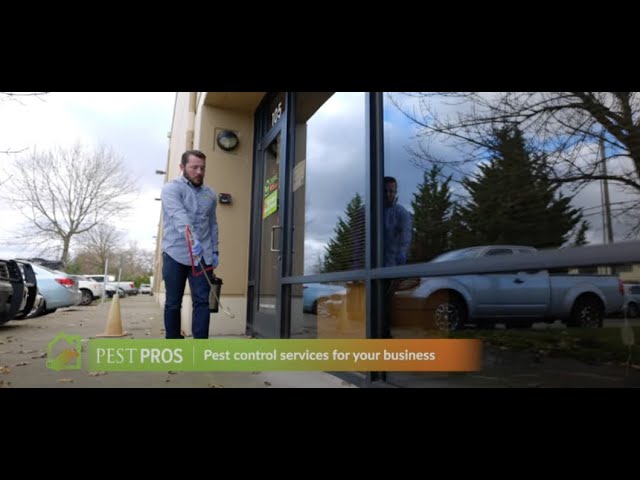
Commercial pest control is the professional practice of eliminating and preventing pests in commercial establishments such as offices, restaurants, hospitals, and warehouses. It involves identifying the type of pest, its behavior, and the most effective methods for its control.
Pest control is crucial for businesses as pests can cause damage to property, contaminate food and products, transmit diseases, and create a negative impression among customers and employees. Regular pest control helps businesses maintain a clean, safe, and productive environment.
The history of commercial pest control dates back to ancient times when people used various methods to protect their food and belongings from pests. Today, commercial pest control companies use advanced techniques and technologies to provide effective and environmentally responsible pest management solutions.
Commercial Pest Control
Commercial pest control is a crucial aspect of maintaining a clean, safe, and productive business environment. Here are five key aspects to consider:
- Inspection: Identifying the type and extent of the pest infestation is essential for effective treatment.
- Prevention: Implementing measures to prevent future infestations is crucial for long-term pest control.
- Treatment: Using appropriate methods to eliminate existing pest infestations is essential for immediate control.
- Monitoring: Regularly checking for pest activity helps detect and address potential problems early on.
- Documentation: Maintaining records of pest control activities is important for compliance and future reference.
These five aspects are interconnected and essential for a comprehensive commercial pest control program. Regular inspections help identify potential pest problems early on, allowing for timely preventive measures. Proper treatment methods ensure effective pest elimination, while ongoing monitoring helps prevent re-infestations. Documentation provides a valuable record of pest control activities for compliance and future reference. By addressing these key aspects, businesses can create and maintain a pest-free environment, protecting their reputation, employees, and customers.
Inspection: Identifying the type and extent of the pest infestation is essential for effective treatment.
In commercial pest control, inspection is the crucial first step towards effective treatment. It involves carefully examining a commercial property to identify the type of pest infestation, its severity, and the potential risks it poses. This process is essential for several reasons:
- Accurate identification: Correctly identifying the pest species is essential for determining the most effective treatment method. Different pests have different behaviors, vulnerabilities, and nesting habits, and using the wrong treatment can be ineffective or even harmful.
- Targeted treatment: Knowing the extent of the infestation helps pest control professionals determine the appropriate treatment area and intensity. This targeted approach minimizes the use of pesticides and ensures that treatment is applied where it is most needed.
- Monitoring and prevention: Regular inspections allow pest control companies to monitor pest activity and identify potential infestation risks. This proactive approach helps prevent future infestations and ensures the long-term effectiveness of pest control measures.
For example, in a restaurant, a pest inspection might reveal an infestation of cockroaches. The inspector would identify the species of cockroach, assess the extent of the infestation, and determine the most effective treatment method based on the cockroach’s behavior and nesting habits. This targeted approach would minimize disruption to the restaurant’s operations and ensure the elimination of the infestation.
Overall, inspection is a vital component of commercial pest control. It provides the foundation for effective treatment, helps prevent future infestations, and ensures the safety and hygiene of commercial establishments.
Prevention: Implementing measures to prevent future infestations is crucial for long-term pest control.
Prevention is an essential component of commercial pest control, as it helps businesses avoid costly and disruptive infestations in the long run. By implementing proactive measures, businesses can create an environment that is less attractive to pests and reduce the risk of future infestations.
One key aspect of prevention is sealing up entry points. Pests can enter buildings through even the smallest cracks or holes, so it is important to seal up any potential entry points with caulk, weatherstripping, or other materials. This is especially important for areas where pests are known to be a problem, such as around pipes, windows, and doors.
Another important preventive measure is to practice good sanitation. Pests are attracted to food and water, so it is important to keep these items out of their reach. This means regularly cleaning up spills, storing food in sealed containers, and disposing of garbage properly. It is also important to keep drains and gutters clean, as these areas can provide a breeding ground for pests.
By implementing these preventive measures, businesses can create an environment that is less attractive to pests and reduce the risk of future infestations. This can save time and money in the long run, and help businesses maintain a clean, safe, and productive environment.
Treatment: Using appropriate methods to eliminate existing pest infestations is essential for immediate control.
Treatment plays a critical role in commercial pest control by addressing active infestations and preventing further damage or health hazards. It involves utilizing effective methods to eliminate pests and restore a pest-free environment. Here are some key facets of treatment in commercial pest control:
- Targeted Pest Elimination: Treatment focuses on identifying the specific pest species and implementing targeted methods to eliminate them. This involves using appropriate pesticides, traps, or other control techniques based on the pest’s behavior, habitat, and resistance levels.
For example, in a warehouse, a pest control technician might use bait stations to eliminate rodents. The bait stations are placed in areas where rodents are likely to travel, and the bait is designed to attract and kill the rodents.
Integrated Pest Management (IPM): IPM is a comprehensive approach that combines various pest control methods to achieve long-term pest management. It involves using a combination of prevention, monitoring, and treatment strategies to address pest infestations effectively and sustainably.
For example, in a restaurant, an IPM program might involve sealing up entry points to prevent pests from entering, regularly monitoring for pest activity, and using targeted treatment methods to eliminate any infestations that occur.
Safety and Compliance: Commercial pest control treatments must adhere to strict safety and regulatory standards. Pest control technicians are trained to use pesticides and other pest control products safely and effectively, minimizing risks to human health and the environment.
For example, pest control companies must follow specific guidelines for the storage, handling, and application of pesticides. They must also be licensed and insured to operate legally.
Documentation and Reporting: Proper documentation and reporting are essential for commercial pest control. Pest control companies provide detailed reports on the treatment methods used, the pests targeted, and the results achieved. This documentation serves as a record of pest control activities and helps businesses maintain compliance with regulations.
For example, pest control companies might provide monthly reports to clients, detailing the pest activity observed, the treatments performed, and any recommendations for future pest prevention.
These facets of treatment highlight the importance of using appropriate methods to eliminate existing pest infestations in commercial settings. By implementing effective and targeted treatment strategies, businesses can protect their employees, customers, and products from the harmful effects of pests.
Monitoring: Regularly checking for pest activity helps detect and address potential problems early on.
Monitoring is an essential component of commercial pest control as it enables businesses to proactively detect and address potential pest problems before they escalate into full-blown infestations. Regular monitoring involves routinely inspecting commercial properties for signs of pest activity, such as droppings, nesting materials, or damage to property or products.
The importance of monitoring cannot be overstated. Early detection of pest activity allows for timely intervention, preventing pests from causing significant damage or spreading diseases. By addressing potential problems early on, businesses can minimize the risk of pest-related disruptions, protect their reputation, and ensure the safety and well-being of their employees and customers.
For example, in a food processing facility, regular monitoring might involve inspecting food storage areas for signs of rodent activity. By detecting rodent droppings or nesting materials early on, pest control professionals can quickly implement targeted treatment measures to eliminate the infestation before it contaminates food products or poses a health risk to employees.
Overall, monitoring is a crucial aspect of commercial pest control, enabling businesses to maintain a proactive approach to pest management. By regularly checking for pest activity, businesses can identify potential problems early on, minimize the risk of pest-related disruptions, and protect their employees, customers, and products.
Documentation: Maintaining records of pest control activities is important for compliance and future reference.
Documentation is a crucial aspect of commercial pest control, as it provides a detailed account of pest control activities, ensuring compliance with regulations and serving as a valuable resource for future reference.
- Compliance with Regulations: Commercial pest control companies are required to maintain accurate records of their pest control activities to comply with industry standards and government regulations. These records provide evidence of the steps taken to prevent and control pests, demonstrating compliance with legal requirements.
- Legal Protection: In the event of a pest-related incident or legal dispute, proper documentation serves as evidence of the pest control measures implemented. It can protect businesses from liability by demonstrating that they have taken reasonable steps to address pest issues.
- Quality Control and Improvement: Records of pest control activities allow businesses to track the effectiveness of their pest control program. By reviewing past treatments, pest patterns, and customer feedback, businesses can identify areas for improvement and enhance the efficiency of their pest management strategies.
- Historical Reference: Maintaining records of pest control activities provides a valuable historical reference for future pest management decisions. It allows businesses to track pest trends, identify recurring issues, and make informed decisions based on past experiences.
In summary, documentation is essential for commercial pest control as it ensures compliance with regulations, provides legal protection, facilitates quality control and improvement, and serves as a valuable historical reference. By maintaining accurate and detailed records, businesses can demonstrate their commitment to pest prevention and control, protect their interests, and continuously enhance their pest management practices.
FAQs on Commercial Pest Control
Commercial pest control plays a vital role in safeguarding businesses from the detrimental effects of pests. Here are answers to frequently asked questions to clarify common concerns and misconceptions:
Question 1: Is commercial pest control necessary for all businesses?
Answer: Yes, commercial pest control is essential for all businesses, regardless of size or industry. Pests can pose significant threats to businesses, contaminating products, damaging property, and transmitting diseases. Regular pest control helps prevent these risks, ensuring a safe and hygienic environment for employees and customers.
Question 2: How often should I schedule commercial pest control services?
Answer: The frequency of pest control services depends on the type of business, industry, and level of pest activity. Typically, businesses should schedule quarterly or bi-monthly services. However, high-risk businesses, such as food processing facilities or healthcare centers, may require more frequent visits.
Question 3: What methods do commercial pest control companies use?
Answer: Commercial pest control companies use a combination of methods to effectively manage pests. These methods may include inspections, exclusion techniques (sealing entry points), monitoring, targeted treatments (using baits, traps, or pesticides), and sanitation recommendations.
Question 4: Are commercial pest control treatments safe?
Answer: Yes, reputable commercial pest control companies prioritize safety. They use EPA-approved pesticides and follow strict application guidelines to minimize risks to human health and the environment. Technicians are trained to handle and apply pesticides safely and effectively.
Question 5: How can I choose a reliable commercial pest control company?
Answer: When choosing a commercial pest control company, consider the following factors: experience, reputation, licensing and insurance, references, and commitment to environmentally responsible practices. Look for companies that provide customized solutions tailored to your specific business needs.
Question 6: What are the benefits of regular commercial pest control?
Answer: Regular commercial pest control offers numerous benefits, including: protection of employees, customers, and products from pest-related health risks; prevention of property damage and product contamination; compliance with industry regulations and standards; maintenance of a clean and hygienic work environment; and peace of mind knowing that your business is protected from pest infestations.
Summary: Commercial pest control is indispensable for businesses to prevent pest-related risks and maintain a safe, productive, and compliant environment. By addressing common questions and concerns, these FAQs aim to provide clarity and empower businesses to make informed decisions regarding their pest management needs.
Transition to Next Section: To further explore the importance and effectiveness of commercial pest control, let’s delve into real-world examples and success stories.
Tips for Effective Commercial Pest Control
Implementing a comprehensive commercial pest control program is crucial for businesses to maintain a safe, hygienic, and productive environment. Here are some essential tips to enhance your pest management efforts:
Tip 1: Prioritize Prevention
Prevention is key in commercial pest control. Seal entry points, such as cracks and gaps around pipes and windows, to prevent pests from entering the premises. Practice good sanitation by regularly cleaning up food spills and waste, and store food in sealed containers to eliminate attractants.
Tip 2: Conduct Regular Inspections
Regular inspections are essential for early detection of pest activity. Inspect your property thoroughly, paying attention to areas where pests are likely to hide, such as kitchens, storage areas, and restrooms. Look for signs of droppings, nesting materials, or damage caused by pests.
Tip 3: Choose a Reputable Pest Control Company
Partner with a licensed and insured pest control company with a proven track record. Look for companies that use environmentally responsible practices and provide customized solutions tailored to your specific business needs.
Tip 4: Implement Integrated Pest Management (IPM)
IPM is a comprehensive approach that combines various pest control methods, including prevention, monitoring, and targeted treatments. By integrating multiple strategies, IPM helps minimize pest populations while reducing reliance on pesticides.
Tip 5: Maintain a Clean and Clutter-Free Environment
A clean and clutter-free environment is less attractive to pests. Regularly remove trash, clean work areas, and store materials off the floor. Keep vegetation trimmed around the building to eliminate hiding places for pests.
Tip 6: Train Employees on Pest Prevention
Educate employees on the importance of pest prevention and their role in maintaining a pest-free environment. Train them to recognize signs of pest activity and report any concerns promptly.
Tip 7: Monitor and Evaluate Regularly
Monitor pest activity regularly using traps or other monitoring devices. Evaluate the effectiveness of your pest control program and make adjustments as needed. Regular monitoring helps identify areas for improvement and ensures ongoing protection.
Summary: By following these tips, businesses can establish a proactive and effective commercial pest control program. Prevention, regular inspections, and collaboration with a reputable pest control company are key to safeguarding your business from pest-related risks and maintaining a healthy and productive environment.
Conclusion
Commercial pest control is an essential aspect of maintaining a safe, healthy, and productive business environment. By implementing effective pest management strategies, businesses can prevent costly damage, protect their reputation, and ensure the well-being of their employees and customers.
Regular inspections, preventative measures, and collaboration with reputable pest control companies are crucial for successful pest control. Businesses should prioritize prevention by sealing entry points, practicing good sanitation, and eliminating attractants. Integrated Pest Management (IPM) approaches that combine multiple control methods are highly effective in minimizing pest populations while reducing reliance on pesticides.
Commercial pest control is an ongoing commitment to maintaining a pest-free environment. Businesses should invest in regular monitoring and evaluation to ensure the effectiveness of their pest management program and make adjustments as needed. By adhering to these principles, businesses can create and maintain a healthy and productive environment for all.
Youtube Video: