Many types of pests thrive in humid environments. These pests can be a nuisance, as they can cause damage to property and spread diseases. Some of the most common pests that prefer humid environments include cockroaches, silverfish, and dust mites. Cockroaches are known to carry bacteria and viruses, while silverfish can damage books and other paper products. Dust mites can cause allergies and asthma.
It is important to take steps to control pests in humid environments. This can be done by reducing the humidity in your home, sealing up cracks and crevices where pests can enter, and keeping your home clean and free of clutter. You can also use traps and baits to catch pests. If you have a severe pest problem, you may need to call a professional pest control company.
Pests that prefer humid environments can be a problem, but they can be controlled with the right steps. By taking the time to reduce the humidity in your home and keep it clean, you can help to prevent pests from becoming a problem.
Pests That Prefer Humid Environments
Pests that prefer humid environments can be a nuisance and a health hazard. Here are five key aspects to consider:
- Types of pests: Cockroaches, silverfish, dust mites, and mold are common pests that thrive in humid environments.
- Health risks: Pests can carry bacteria, viruses, and allergens that can cause health problems.
- Property damage: Pests can damage food, clothing, and other belongings.
- Prevention: Reduce humidity levels, seal up entry points, and keep your home clean to prevent pests.
- Treatment: If you have a pest problem, you can use traps, baits, or call a professional pest control company.
It is important to be aware of the risks associated with pests that prefer humid environments and to take steps to prevent and control them. By understanding the key aspects of these pests, you can protect your health and your home.
Types of pests
The types of pests that prefer humid environments vary depending on the specific conditions. However, some of the most common pests that thrive in humid environments include cockroaches, silverfish, dust mites, and mold. These pests can be a nuisance and a health hazard, as they can carry bacteria, viruses, and allergens that can cause health problems. Additionally, these pests can damage food, clothing, and other belongings.
Understanding the types of pests that prefer humid environments is important for developing effective prevention and control strategies. For example, if you know that cockroaches are a common pest in humid environments, you can take steps to seal up any cracks or crevices in your home where they may enter. You can also reduce the humidity in your home by using a dehumidifier or air conditioner.
By understanding the types of pests that prefer humid environments, you can take steps to protect your health and your home.
Health risks
Pests that prefer humid environments can pose a significant health risk to humans. Pests can carry a variety of bacteria, viruses, and allergens that can cause a range of health problems, from mild skin irritation to serious respiratory problems. For example, cockroaches are known to carry bacteria that can cause food poisoning and dysentery, while dust mites can trigger allergies and asthma.
The health risks associated with pests that prefer humid environments are particularly concerning for people with weakened immune systems, such as the elderly, young children, and people with chronic health conditions. For these individuals, even a minor pest infestation can lead to serious health problems.
It is important to take steps to prevent and control pests in humid environments in order to protect your health. This can be done by reducing the humidity in your home, sealing up cracks and crevices where pests can enter, and keeping your home clean and free of clutter. You can also use traps and baits to catch pests. If you have a severe pest problem, you may need to call a professional pest control company.
By taking steps to prevent and control pests in humid environments, you can help to protect your health and the health of your family.
Property damage
Pests that prefer humid environments can cause significant property damage. They can contaminate food, damage clothing and furniture, and even cause structural damage to your home. For example, cockroaches can spread bacteria and viruses that can contaminate food, while silverfish can damage books, clothing, and other paper products. Rodents can chew on electrical wires, which can lead to fires.
- Food contamination: Pests can contaminate food with bacteria, viruses, and parasites. This can lead to food poisoning and other illnesses.
- Damage to clothing and furniture: Pests can damage clothing and furniture by chewing on them or nesting in them. This can ruin your belongings and make them unusable.
- Structural damage: Pests can cause structural damage to your home by chewing on wood, drywall, and other materials. This can weaken the structure of your home and make it more susceptible to collapse.
The property damage caused by pests can be costly to repair. In some cases, it may even be necessary to replace damaged items. It is important to take steps to prevent and control pests in humid environments in order to protect your property.
Prevention
Humidity is one of the most important factors that affect the survival and reproduction of pests. Pests that prefer humid environments, such as cockroaches, silverfish, and dust mites, thrive in areas with high humidity levels. By reducing the humidity in your home, you can make it less hospitable to these pests and help to prevent them from becoming a problem.
-
Reduce humidity levels
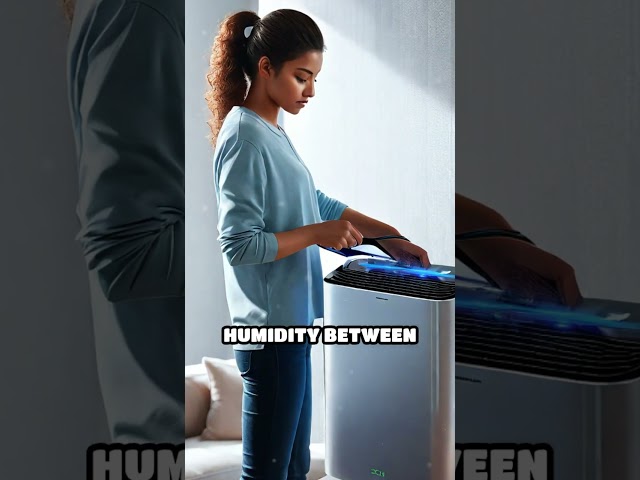
You can reduce the humidity in your home by using a dehumidifier or air conditioner. Dehumidifiers remove moisture from the air, while air conditioners cool the air and remove moisture as a byproduct. You can also reduce humidity by opening windows and doors to let in fresh air. However, it is important to be aware that opening windows and doors can also allow pests to enter your home.
-
Seal up entry points
Pests can enter your home through even the smallest cracks and crevices. To prevent pests from entering your home, seal up any cracks or crevices around windows, doors, pipes, and other openings. You can use caulk, weatherstripping, or expanding foam to seal up these openings.
-
Keep your home clean
Pests are attracted to food and debris. By keeping your home clean and free of clutter, you can make it less attractive to pests. Be sure to clean up spills immediately, and vacuum and mop your floors regularly. You should also store food in airtight containers and keep your garbage in a covered container.
By taking these steps to prevent pests, you can help to protect your home from damage and keep your family healthy.
Treatment
Pests that prefer humid environments can be a nuisance and a health hazard. If you have a pest problem, it is important to take steps to control and eliminate the pests. There are a variety of treatment options available, including traps, baits, and professional pest control services.
Traps and baits are a common and effective way to control pests. Traps can be used to catch pests, while baits can be used to kill pests. There are a variety of different types of traps and baits available, so it is important to choose the right one for the type of pest you are dealing with. Traps and baits can be purchased at most hardware stores and home improvement centers.
If you have a severe pest problem, you may need to call a professional pest control company. Professional pest control companies have the experience and expertise to identify the type of pest you are dealing with and to develop an effective treatment plan. Professional pest control companies can also help to prevent future pest problems by sealing up entry points and providing ongoing maintenance.
It is important to note that some pests that prefer humid environments can be difficult to control and eliminate. In these cases, it is important to be patient and persistent with your treatment plan. By following the steps outlined above, you can effectively control and eliminate pests that prefer humid environments.
FAQs About Pests That Prefer Humid Environments
Pests that prefer humid environments can be a nuisance and a health hazard. Here are answers to some frequently asked questions about these pests:
Question 1: What are the most common pests that prefer humid environments?
The most common pests that prefer humid environments include cockroaches, silverfish, dust mites, and mold.
Question 2: What are the health risks associated with pests that prefer humid environments?
Pests that prefer humid environments can carry bacteria, viruses, and allergens that can cause a range of health problems, from mild skin irritation to serious respiratory problems.
Question 3: What are the signs of a pest infestation in a humid environment?
Signs of a pest infestation in a humid environment can include droppings, shed skin, and damage to food or belongings.
Question 4: How can I prevent pests from entering my home in a humid environment?
You can prevent pests from entering your home in a humid environment by reducing the humidity levels, sealing up entry points, and keeping your home clean and free of clutter.
Question 5: How can I get rid of pests in my home in a humid environment?
If you have a pest problem in your home in a humid environment, you can use traps, baits, or call a professional pest control company.
Question 6: What are the long-term effects of having pests in my home in a humid environment?
The long-term effects of having pests in your home in a humid environment can include damage to your property, health problems, and a decreased quality of life.
By understanding the risks associated with pests that prefer humid environments and taking steps to prevent and control them, you can protect your health and your home.
Transition to the next article section:
Additional Resources:
- Link to resource 1
- Link to resource 2
- Link to resource 3
Tips to Prevent and Control Pests That Prefer Humid Environments
Pests that prefer humid environments can be a nuisance and a health hazard. By following these tips, you can prevent and control these pests in your home:
Tip 1: Reduce humidity levels.
Pests that prefer humid environments thrive in areas with high humidity levels. By reducing the humidity in your home, you can make it less hospitable to these pests and help to prevent them from becoming a problem. You can reduce humidity by using a dehumidifier or air conditioner. You can also reduce humidity by opening windows and doors to let in fresh air. However, it is important to be aware that opening windows and doors can also allow pests to enter your home.
Tip 2: Seal up entry points.
Pests can enter your home through even the smallest cracks and crevices. To prevent pests from entering your home, seal up any cracks or crevices around windows, doors, pipes, and other openings. You can use caulk, weatherstripping, or expanding foam to seal up these openings.
Tip 3: Keep your home clean.
Pests are attracted to food and debris. By keeping your home clean and free of clutter, you can make it less attractive to pests. Be sure to clean up spills immediately, and vacuum and mop your floors regularly. You should also store food in airtight containers and keep your garbage in a covered container.
Tip 4: Use traps and baits.
Traps and baits are a common and effective way to control pests. Traps can be used to catch pests, while baits can be used to kill pests. There are a variety of different types of traps and baits available, so it is important to choose the right one for the type of pest you are dealing with. Traps and baits can be purchased at most hardware stores and home improvement centers.
Tip 5: Call a professional pest control company.
If you have a severe pest problem, you may need to call a professional pest control company. Professional pest control companies have the experience and expertise to identify the type of pest you are dealing with and to develop an effective treatment plan. Professional pest control companies can also help to prevent future pest problems by sealing up entry points and providing ongoing maintenance.
By following these tips, you can prevent and control pests that prefer humid environments and protect your home and health.
Summary of key takeaways:
- Reduce humidity levels to make your home less hospitable to pests.
- Seal up entry points to prevent pests from entering your home.
- Keep your home clean and free of clutter to make it less attractive to pests.
- Use traps and baits to control pests.
- Call a professional pest control company if you have a severe pest problem.
Transition to the article’s conclusion:
By following these tips, you can effectively prevent and control pests that prefer humid environments and protect your home and health.
Conclusion
Pests that prefer humid environments can pose a significant threat to our health and property. By understanding the types of pests that thrive in humid environments and the health risks and property damage they can cause, we can take steps to prevent and control these pests. The key to preventing and controlling pests that prefer humid environments is to reduce humidity levels, seal up entry points, and keep our homes clean and free of clutter. If we take these steps, we can create a healthier and more pest-free environment for ourselves and our families.
The fight against pests that prefer humid environments is an ongoing one, but by working together, we can win this battle. By sharing information and working together, we can create a healthier and more pest-free environment for everyone.
Youtube Video: