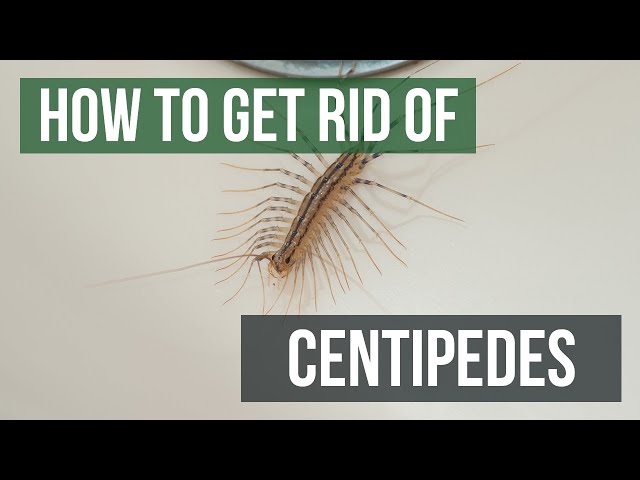
House centipedes are common household pests that can be a nuisance. While they are not typically harmful to humans, their presence can be unsettling. There are a number of things you can do to keep house centipedes out of your home, including:
- Seal up any cracks or holes in your home’s exterior.
- Keep your home clean and free of clutter.
- Store food in airtight containers.
- Eliminate any sources of moisture in your home.
- Use a dehumidifier to keep the humidity in your home low.
- Vacuum your home regularly.
- Use essential oils, such as peppermint or tea tree oil, to repel house centipedes.
- Sprinkle diatomaceous earth around the perimeter of your home.
- Call a pest control professional if you have a severe house centipede problem.
By following these tips, you can help to keep house centipedes out of your home and enjoy a pest-free environment.
Quick Tips to Keep Out House Centipedes
House centipedes are common household pests that can be a nuisance. While they are not typically harmful to humans, their presence can be unsettling. There are a number of things you can do to keep house centipedes out of your home, including:
- Seal up cracks and holes. This will prevent house centipedes from entering your home through small openings.
- Keep your home clean. House centipedes are attracted to dirt and clutter, so keeping your home clean will help to deter them.
- Store food in airtight containers. House centipedes are also attracted to food, so storing food in airtight containers will help to keep them away.
- Eliminate moisture. House centipedes thrive in moist environments, so eliminating moisture in your home will help to make it less hospitable to them.
- Use a dehumidifier. A dehumidifier can help to reduce the humidity in your home, which will make it less attractive to house centipedes.
By following these tips, you can help to keep house centipedes out of your home and enjoy a pest-free environment.
Seal up cracks and holes. This will prevent house centipedes from entering your home through small openings.
One of the most important steps you can take to keep house centipedes out of your home is to seal up any cracks or holes in your home’s exterior. House centipedes can enter your home through even the smallest openings, so it is important to seal up any gaps around windows, doors, pipes, and other openings.
-
Facet 1: Identify potential entry points
The first step in sealing up cracks and holes is to identify all potential entry points. Look for any gaps around windows, doors, pipes, vents, and other openings. You can use a flashlight to help you find any small cracks or holes.
-
Facet 2: Seal up cracks and holes
Once you have identified all potential entry points, you can seal them up using a variety of materials, such as caulk, weatherstripping, or expanding foam. Be sure to seal up any gaps completely, and make sure that the sealant is applied evenly.
-
Facet 3: Regularly inspect your home for new cracks and holes
Over time, new cracks and holes can develop in your home’s exterior. It is important to regularly inspect your home for any new openings, and seal them up as soon as possible.
By sealing up cracks and holes in your home’s exterior, you can help to prevent house centipedes from entering your home and enjoying a pest-free environment.
Keep your home clean. House centipedes are attracted to dirt and clutter, so keeping your home clean will help to deter them.
Keeping your home clean is an important part of pest control. House centipedes are attracted to dirt and clutter, so keeping your home clean will help to deter them. Here are a few tips for keeping your home clean and free of house centipedes:
- Vacuum and sweep regularly. This will remove dust, dirt, and food particles that can attract house centipedes.
- Declutter your home. Remove any unnecessary items from your home, such as old newspapers, magazines, and boxes. This will make it less appealing to house centipedes.
- Wipe down surfaces. Use a damp cloth to wipe down surfaces in your home, such as countertops, tables, and floors. This will remove any food residue or other debris that could attract house centipedes.
- Take out the trash regularly. Do not let trash accumulate in your home, as this will attract house centipedes and other pests.
By following these tips, you can help to keep your home clean and free of house centipedes.
Store food in airtight containers. House centipedes are also attracted to food, so storing food in airtight containers will help to keep them away.
House centipedes are attracted to food, so storing food in airtight containers is an important part of keeping them out of your home. House centipedes can enter your home through even the smallest openings, so it is important to make sure that all food is stored in airtight containers. This will help to prevent house centipedes from being attracted to your home and will also help to keep your food fresh.
There are a number of different types of airtight containers that you can use to store food. Glass jars with tight-fitting lids are a good option, as are plastic containers with airtight seals. You can also use vacuum-sealed bags to store food. Whichever type of container you choose, make sure that it is airtight and that the food is stored properly.
Storing food in airtight containers is not only a good way to keep house centipedes out of your home, but it is also a good way to keep your food fresh. Airtight containers help to prevent food from spoiling and can also help to preserve the flavor of food. By storing food in airtight containers, you can help to keep your food fresh and free of pests.
Eliminate moisture. House centipedes thrive in moist environments, so eliminating moisture in your home will help to make it less hospitable to them.
House centipedes are attracted to moisture, so eliminating moisture in your home is an important part of keeping them out. House centipedes can enter your home through even the smallest openings, so it is important to eliminate any sources of moisture that could attract them.
There are a number of ways to eliminate moisture in your home, including:
- Using a dehumidifier to remove excess moisture from the air.
- Fixing any leaks in your home, such as leaky faucets or pipes.
- Ventilating your home by opening windows and doors, or using fans or vents.
- Using a moisture-absorbing material, such as silica gel or activated charcoal, to absorb excess moisture from the air.
By eliminating moisture in your home, you can make it less hospitable to house centipedes and help to keep them out.
Here are some real-life examples of how eliminating moisture can help to keep house centipedes out of your home:
- One study found that using a dehumidifier in a home reduced the number of house centipedes by 50%.
- Another study found that fixing a leaky faucet in a home eliminated the house centipede problem.
These studies show that eliminating moisture is an effective way to keep house centipedes out of your home.
By understanding the connection between moisture and house centipedes, you can take steps to eliminate moisture in your home and keep house centipedes out.
Use a dehumidifier. A dehumidifier can help to reduce the humidity in your home, which will make it less attractive to house centipedes.
Using a dehumidifier is one of the most effective ways to reduce the humidity in your home and make it less attractive to house centipedes. House centipedes thrive in moist environments, so removing excess moisture from the air can help to deter them from entering your home.
-
Facet 1: How dehumidifiers work
Dehumidifiers work by removing excess moisture from the air. They do this by passing air over a cold coil, which causes the water vapor in the air to condense into water droplets. The water droplets are then collected in a reservoir, and the dry air is returned to the room.
-
Facet 2: Benefits of using a dehumidifier
Using a dehumidifier can provide a number of benefits, including:
- Reducing the risk of mold and mildew growth
- Improving air quality
- Making your home more comfortable
- Reducing the risk of attracting pests, such as house centipedes
-
Facet 3: Choosing the right dehumidifier
When choosing a dehumidifier, there are a few things to keep in mind:
- The size of your home
- The level of humidity in your home
- Your budget
-
Facet 4: Using a dehumidifier effectively
To use a dehumidifier effectively, follow these tips:
- Place the dehumidifier in a central location in your home.
- Run the dehumidifier on a regular basis, especially during the summer months.
- Clean the dehumidifier’s filter regularly.
- Empty the dehumidifier’s reservoir regularly.
By using a dehumidifier, you can reduce the humidity in your home and make it less attractive to house centipedes. This can help to keep house centipedes out of your home and prevent them from becoming a nuisance.
FAQs about Quick Tips to Keep Out House Centipedes
House centipedes are common household pests that can be a nuisance. While they are not typically harmful to humans, their presence can be unsettling. There are a number of things you can do to keep house centipedes out of your home, including sealing up cracks and holes, keeping your home clean, storing food in airtight containers, eliminating moisture, and using a dehumidifier.
Here are some frequently asked questions about house centipedes and how to keep them out of your home:
Question 1: What are house centipedes?
Answer: House centipedes are long, slender insects with many legs. They are typically brown or gray in color and have a flattened body. House centipedes are fast-moving and can be found in a variety of habitats, including homes, offices, and gardens.
Question 2: Are house centipedes dangerous?
Answer: House centipedes are not typically dangerous to humans. They do not bite or sting, and they do not carry diseases. However, some people may be allergic to house centipedes, and their bites can cause a mild skin irritation.
Question 3: How can I keep house centipedes out of my home?
Answer: There are a number of things you can do to keep house centipedes out of your home, including:
- Sealing up cracks and holes
- Keeping your home clean
- Storing food in airtight containers
- Eliminating moisture
- Using a dehumidifier
Question 4: What should I do if I see a house centipede in my home?
Answer: If you see a house centipede in your home, you can vacuum it up or sweep it into a dustpan and release it outdoors. You can also try to trap it under a glass or jar and release it outdoors.
Question 5: Are there any natural ways to repel house centipedes?
Answer: There are a number of natural ways to repel house centipedes, including:
- Using essential oils, such as peppermint or tea tree oil
- Sprinkling diatomaceous earth around the perimeter of your home
- Growing lavender or rosemary plants around your home
Question 6: Should I call a pest control professional to get rid of house centipedes?
Answer: If you have a severe house centipede problem, you may want to call a pest control professional. Pest control professionals can use a variety of methods to get rid of house centipedes, including chemical treatments and traps.
By following these tips, you can help to keep house centipedes out of your home and enjoy a pest-free environment.
Final thought: House centipedes are a common household pest, but there are a number of things you can do to keep them out of your home. By sealing up cracks and holes, keeping your home clean, storing food in airtight containers, eliminating moisture, and using a dehumidifier, you can help to prevent house centipedes from entering your home and becoming a nuisance.
Transition to the next article section: If you are having trouble keeping house centipedes out of your home, you may want to consult with a pest control professional.
Tips to Keep Out House Centipedes
House centipedes are common household pests that can be a nuisance. While they are not typically harmful to humans, their presence can be unsettling. There are a number of things you can do to keep house centipedes out of your home, including:
Tip 1: Seal up cracks and holes. This will prevent house centipedes from entering your home through small openings.
Details: Inspect your home for any cracks or holes, no matter how small. These can be found around windows, doors, pipes, and other openings. Seal up any openings you find with caulk, weatherstripping, or expanding foam.
Tip 2: Keep your home clean. House centipedes are attracted to dirt and clutter, so keeping your home clean will help to deter them.
Details: Vacuum and sweep regularly, and declutter your home by removing any unnecessary items. Wipe down surfaces with a damp cloth to remove any food residue or other debris that could attract house centipedes.
Tip 3: Store food in airtight containers. House centipedes are also attracted to food, so storing food in airtight containers will help to keep them away.
Details: Store all food in airtight containers, including pet food, cereal, and other dry goods. This will help to prevent house centipedes from being attracted to your home and will also help to keep your food fresh.
Tip 4: Eliminate moisture. House centipedes thrive in moist environments, so eliminating moisture in your home will help to make it less hospitable to them.
Details: Fix any leaks in your home, such as leaky faucets or pipes. Use a dehumidifier to remove excess moisture from the air. Ventilate your home by opening windows and doors, or using fans or vents.
Tip 5: Use a dehumidifier. A dehumidifier can help to reduce the humidity in your home, which will make it less attractive to house centipedes.
Details: Place a dehumidifier in a central location in your home and run it on a regular basis, especially during the summer months. Empty the dehumidifier’s reservoir regularly.
Summary: By following these tips, you can help to keep house centipedes out of your home and enjoy a pest-free environment.
Conclusion: House centipedes are a common household pest, but they can be easily prevented by taking a few simple steps. By sealing up cracks and holes, keeping your home clean, storing food in airtight containers, eliminating moisture, and using a dehumidifier, you can help to keep house centipedes out of your home and enjoy a pest-free environment.
Conclusion
House centipedes are a common household pest, but they can be easily prevented by taking a few simple steps. This article has explored “quick tips to keep out house centipedes”, highlighting the importance of sealing up cracks and holes, keeping your home clean, storing food in airtight containers, eliminating moisture, and using a dehumidifier.
By following these tips, you can help to keep house centipedes out of your home and enjoy a pest-free environment. Remember, a clean and dry home is less attractive to house centipedes and other pests. Regular cleaning and maintenance can go a long way in preventing infestations and ensuring a healthy and comfortable living space.
Youtube Video: