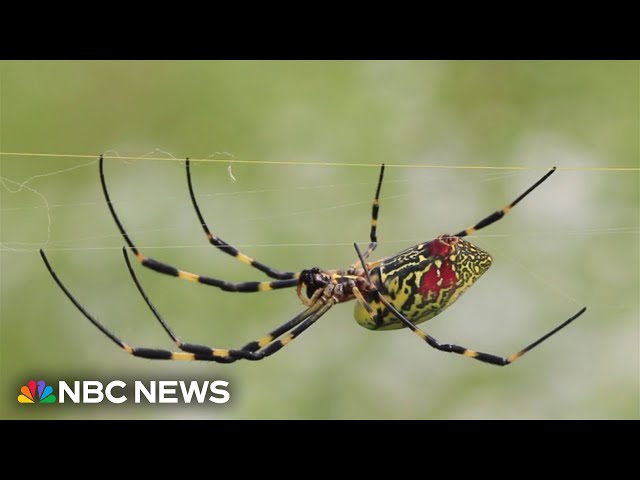
The phrase “a new spider is coming to Virginia” refers to the recent discovery of a new species of spider in the state of Virginia. The spider, which has yet to be formally identified, was found in a forest in the western part of the state.
The discovery of a new spider species is always an exciting event, as it provides scientists with an opportunity to learn more about the diversity of life on Earth. New species can also provide insights into the evolutionary history of spiders and help us to understand the role that they play in the ecosystem.
The new spider species in Virginia is still under study, but scientists believe that it is a member of the orb weaver family. Orb weavers are known for their intricate webs, which they use to catch prey. The new species is likely to play a similar role in the ecosystem, helping to control populations of insects.
a new spider is coming to virginia
The recent discovery of a new spider species in Virginia is an exciting event for scientists and nature enthusiasts alike. The new species, which has yet to be formally identified, was found in a forest in the western part of the state. Here are five key aspects of this discovery:
- New species: The discovery of a new spider species is always an exciting event, as it provides scientists with an opportunity to learn more about the diversity of life on Earth.
- Orb weaver: The new spider species is likely a member of the orb weaver family. Orb weavers are known for their intricate webs, which they use to catch prey.
- Ecosystem role: The new spider species is likely to play a similar role in the ecosystem as other orb weavers, helping to control populations of insects.
- Habitat: The new spider species was found in a forest in the western part of Virginia. This suggests that it may prefer forested habitats.
- Conservation: The discovery of a new spider species highlights the importance of conservation efforts. By protecting natural habitats, we can help to ensure the survival of all species, including the new spider species in Virginia.
The discovery of a new spider species in Virginia is a reminder that there is still much that we do not know about the world around us. It is also a reminder of the importance of conservation efforts. By protecting natural habitats, we can help to ensure the survival of all species, including the new spider species in Virginia.
New species
The discovery of a new spider species in Virginia is an exciting event for several reasons. First, it provides scientists with an opportunity to learn more about the diversity of life on Earth. There are an estimated 40,000 known species of spiders, and scientists believe that there are many more species yet to be discovered. Each new species that is discovered helps us to better understand the evolutionary history of spiders and their role in the ecosystem.
Second, the discovery of a new spider species can help us to identify and protect endangered species. Many spider species are threatened by habitat loss, climate change, and other factors. By learning more about the distribution and habitat preferences of new spider species, we can develop conservation strategies to protect them.
Finally, the discovery of a new spider species can simply be exciting for people who are interested in nature. Spiders are fascinating creatures, and each new species that is discovered adds to our knowledge and appreciation of the natural world.
Orb weaver
The new spider species that has been discovered in Virginia is likely a member of the orb weaver family. Orb weavers are a type of spider that is known for its intricate webs, which they use to catch prey. These webs are often large and circular, and they can be found in a variety of habitats, including forests, fields, and gardens.
- Web-building behavior: Orb weavers are known for their elaborate webs, which they use to trap insects. The webs are made of a strong, sticky silk that can capture even large insects. The orb weaver will sit in the center of its web, waiting for prey to become entangled. Once an insect is caught, the orb weaver will wrap it up in silk and inject it with venom.
- Prey capture: Orb weavers primarily feed on insects, but they have also been known to eat small reptiles and amphibians. They use their webs to capture prey, and they will typically inject their prey with venom before eating it.
- Habitat: Orb weavers can be found in a variety of habitats, including forests, fields, and gardens. They typically build their webs in areas where there is plenty of vegetation, as this provides them with a place to hide from predators.
- Distribution: Orb weavers are found all over the world, and they are one of the most common types of spiders. There are many different species of orb weavers, and they can vary in size and color.
The discovery of a new orb weaver species in Virginia is a reminder that there is still much that we do not know about the world around us. It is also a reminder of the importance of conservation efforts. By protecting natural habitats, we can help to ensure the survival of all species, including the new orb weaver species in Virginia.
Ecosystem role
Orb weavers are predators. They feed on insects, and they play an important role in controlling insect populations. By removing insects from the environment, orb weavers help to protect plants and other animals from being eaten. They also help to keep the ecosystem in balance.
The new spider species that has been discovered in Virginia is likely to play a similar role in the ecosystem. It is likely to feed on insects, and it will help to control insect populations. This will benefit plants and other animals in the area, and it will help to keep the ecosystem in balance.
The discovery of a new spider species in Virginia is a reminder of the importance of biodiversity. Every species plays a role in the ecosystem, and the loss of any one species can have a ripple effect on the entire ecosystem. It is important to protect all species, including spiders, so that we can maintain the health of our planet.
Habitat
The habitat of a species is an important factor in its survival. It provides the species with the resources it needs to survive, such as food, water, and shelter. In the case of the new spider species that has been discovered in Virginia, the fact that it was found in a forest suggests that it may prefer forested habitats.
There are a number of reasons why a spider species might prefer forested habitats. Forests provide spiders with a variety of food sources, such as insects, other spiders, and even small vertebrates. Forests also provide spiders with protection from predators, such as birds and other animals that might eat them. Additionally, forests provide spiders with the moisture and humidity that they need to survive.
The discovery of the new spider species in a forest in Virginia is a reminder of the importance of habitat conservation. By protecting forests, we can help to ensure the survival of the new spider species and other species that rely on forests for survival.
In addition to providing insights into the habitat preferences of the new spider species, the discovery of the spider in a forest in Virginia also has practical significance. For example, this information can be used to develop conservation strategies for the spider species. Additionally, this information can be used to inform land management decisions, such as where to locate new developments and how to manage forests for multiple uses.
Conservation
The discovery of a new spider species in Virginia is a reminder of the importance of conservation efforts. Conservation is the practice of protecting natural habitats and the species that live in them. It is important for a number of reasons. First, conservation helps to ensure the survival of all species, including the new spider species in Virginia. Many species are threatened by habitat loss, climate change, and other factors. By protecting natural habitats, we can help to ensure that these species have a place to live and thrive.
Second, conservation helps to protect the ecosystem services that we rely on. Ecosystem services are the benefits that we get from nature, such as clean air and water, food, and medicine. Spiders play an important role in the ecosystem by helping to control insect populations. By protecting spiders and their habitats, we can help to ensure that we continue to benefit from these ecosystem services.
Third, conservation is important for our own well-being. Spending time in nature has been shown to have a number of benefits for our physical and mental health. By protecting natural habitats, we can help to ensure that we have places to go to relax, recharge, and connect with the natural world.
The discovery of a new spider species in Virginia is a reminder of the importance of conservation efforts. By protecting natural habitats, we can help to ensure the survival of all species, protect the ecosystem services that we rely on, and improve our own well-being.
FAQs about the new spider species in Virginia
The recent discovery of a new spider species in Virginia has raised a number of questions. Here are answers to some of the most common questions:
Question 1: What is the new spider species called?
Answer: The new spider species has not yet been formally identified. Scientists are still studying the spider and will give it a scientific name once they have learned more about it.
Question 2: Where was the new spider species found?
Answer: The new spider species was found in a forest in the western part of Virginia.
Question 3: Is the new spider species dangerous to humans?
Answer: No, the new spider species is not dangerous to humans. It is a small spider that poses no threat to people.
Question 4: What do we know about the new spider species?
Answer: Scientists are still learning about the new spider species. They know that it is a member of the orb weaver family and that it likely plays a similar role in the ecosystem as other orb weavers, helping to control populations of insects.
Question 5: What should I do if I see the new spider species?
Answer: If you see the new spider species, you can simply leave it alone. It is not dangerous to humans and it is an important part of the ecosystem.
Question 6: What can be done to protect the new spider species?
Answer: The best way to protect the new spider species is to protect its habitat. We can do this by supporting conservation efforts and by reducing our impact on the environment.
Summary of key takeaways:
- The new spider species is not dangerous to humans.
- The new spider species plays an important role in the ecosystem.
- We can protect the new spider species by protecting its habitat.
Transition to the next article section:
The discovery of the new spider species in Virginia is a reminder of the importance of conservation. By protecting natural habitats, we can help to ensure the survival of all species, including the new spider species.
Tips Regarding the Newly Discovered Spider Species in Virginia
The recent confirmation of a new spider species in Virginia has generated considerable interest among arachnologists and nature enthusiasts alike. It underscores the significance of preserving natural ecosystems and safeguarding biodiversity. Here are five essential tips to consider:
Tip 1: Respect Wildlife and Its Habitat: Avoid disturbing the spider or its habitat. Observe it from a distance and refrain from capturing or handling it. Always prioritize the well-being of the spider and its environment.
Tip 2: Promote Habitat Conservation: Support initiatives and organizations dedicated to protecting and restoring natural habitats. Forests, fields, and other natural areas provide vital resources for spiders and countless other species.
Tip 3: Reduce Pesticide Use: Insecticides and pesticides can harm spiders and disrupt their ecosystem roles. Opt for natural pest control methods or use pesticides judiciously to minimize their impact on spider populations.
Tip 4: Engage in Citizen Science: Participate in citizen science programs that monitor spider populations and contribute to scientific data collection. Your observations can aid in understanding the distribution and conservation status of this new species.
Tip 5: Educate and Raise Awareness: Share information about the new spider species and its ecological importance with friends, family, and the broader community. Raising awareness fosters appreciation and support for conservation efforts.
Summary of key takeaways:
- Respect wildlife and their habitats.
- Promote habitat conservation.
- Reduce pesticide use.
- Engage in citizen science.
- Educate and raise awareness.
Transition to the article’s conclusion:
By following these tips, we can contribute to the conservation of this newfound spider species and ensure the health and balance of our natural ecosystems for future generations.
Conclusion
The discovery of a new spider species in Virginia serves as a compelling reminder of the remarkable biodiversity that continues to be uncovered within our natural world. This finding underscores the critical importance of preserving and protecting natural habitats to safeguard the delicate balance of ecosystems. By embracing responsible practices, promoting conservation efforts, and fostering a greater understanding of the interconnectedness of all living things, we can ensure the survival of this newly discovered species and countless others.
As we continue to explore and learn about the intricate tapestry of life on Earth, let us be guided by a deep sense of respect and responsibility. The discovery of this new spider species in Virginia is not merely an isolated event but a profound testament to the boundless wonders that await our discovery. It is a call to action, a reminder that our actions have a direct impact on the health and well-being of our planet and its inhabitants. Let us embrace the opportunity to be stewards of our natural heritage and work together to create a future where both humanity and the incredible diversity of life can thrive in harmony.
Youtube Video: