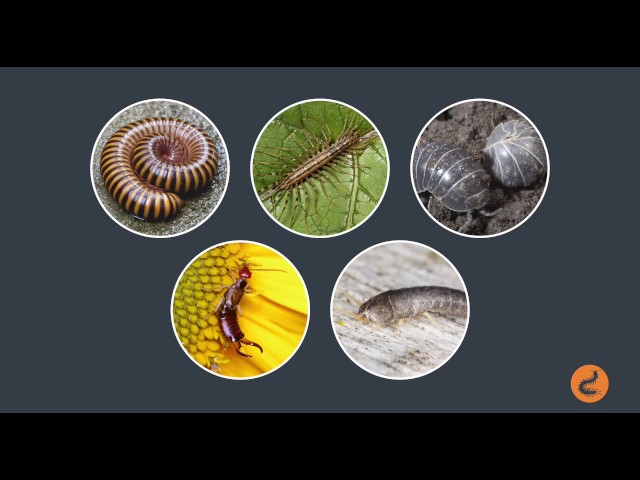
Common house bugs in Louisiana are diverse and can pose a nuisance to homeowners. These pests can range from ants and cockroaches to spiders and termites, each with its own unique characteristics and potential health risks.
Understanding the importance of pest control in Louisiana is crucial as these bugs can contaminate food, spread diseases, and cause structural damage to homes. Regular inspection and preventative measures are essential in keeping these pests at bay.
This article explores the most common house bugs found in Louisiana, discussing their identification, behavior, and effective control methods. By providing comprehensive information, homeowners can better safeguard their properties and health from these prevalent pests.
Common House Bugs in Louisiana
Understanding the diverse range of common house bugs in Louisiana is crucial for effective pest management and safeguarding the well-being of residents.
- Identification: Accurate identification of house bugs is essential for targeted control measures.
- Behavior: Understanding the behavior patterns of different bug species helps predict their activity and develop effective control strategies.
- Health Risks: Assessing the potential health risks associated with various house bugs is vital for prioritizing pest control efforts.
- Prevention: Implementing proactive measures to prevent house bug infestations can minimize the need for chemical treatments.
- Control: Employing safe and effective control methods is crucial for eliminating existing infestations and preventing future occurrences.
By considering these key aspects, homeowners can develop a comprehensive approach to managing common house bugs in Louisiana, ensuring a healthier and more comfortable living environment.
Identification
Accurate identification of house bugs is a critical step in effective pest management for several reasons. Firstly, it allows homeowners to determine the specific species of bug they are dealing with, which is essential for selecting the most appropriate control methods. Different bug species have unique vulnerabilities and behaviors, and using the wrong control method can be ineffective or even counterproductive. For example, using a spray insecticide designed for ants on a cockroach infestation may not be effective, as cockroaches have different physiological characteristics and require specialized treatment.
Secondly, correct identification helps homeowners understand the potential health risks associated with the bug infestation. Some house bugs, such as cockroaches and mosquitoes, can transmit diseases to humans, while others, like spiders and ants, may cause allergic reactions or bites. Knowing the potential health risks allows homeowners to prioritize pest control efforts and take appropriate precautions to protect their families and pets.
Finally, accurate identification of house bugs can help homeowners prevent future infestations. By understanding the behavior and habitat preferences of the bug species, they can take targeted preventative measures to eliminate potential breeding grounds and entry points. For example, if a homeowner identifies an infestation of ants, they can seal up cracks and gaps in their home’s foundation and remove any sources of food or water that may be attracting the ants.
In conclusion, accurate identification of common house bugs in Louisiana is essential for targeted control measures, as it allows homeowners to select the most effective control methods, understand the potential health risks, and implement preventative measures to minimize future infestations. By taking the time to correctly identify the bug species, homeowners can ensure a safe and pest-free living environment.
Behavior
In the context of common house bugs in Louisiana, understanding their behavior is crucial for effective pest management. Different bug species exhibit unique behavioral patterns that influence their activity cycles, habitat preferences, and response to control measures.
- Activity Patterns: Studying the activity patterns of house bugs helps predict when they are most active, which is essential for timing control measures. For example, cockroaches are primarily nocturnal, so applying insecticides at night when they are most active can increase effectiveness.
- Habitat Preferences: Understanding where different bug species prefer to live and breed helps identify potential infestation areas and implement targeted control measures. For instance, ants are often found near food sources, while mosquitoes breed in stagnant water.
- Response to Control Measures: Different bug species have varying responses to different control methods. By understanding their behavior, homeowners can select the most effective control strategies. For example, some bugs may be resistant to certain insecticides, requiring alternative treatment options.
By gaining a comprehensive understanding of the behavior of common house bugs in Louisiana, homeowners can develop effective control plans that minimize pest activity, reduce health risks, and maintain a pest-free living environment.
Health Risks
Understanding the health risks associated with common house bugs in Louisiana is paramount for prioritizing pest control efforts and safeguarding public health.
Various house bugs pose different health risks, ranging from mild skin irritation to severe allergic reactions and disease transmission. For example, cockroaches are known to carry bacteria and viruses that can cause food poisoning, while mosquitoes can transmit diseases like Zika virus and malaria. Understanding these risks helps homeowners prioritize pest control measures based on the potential health hazards posed by each bug species.
By assessing the health risks associated with common house bugs in Louisiana, homeowners can make informed decisions about pest control methods, focusing on strategies that effectively mitigate these risks. This understanding empowers individuals to create healthier and more comfortable living environments for their families and communities.
Prevention
In the context of common house bugs in Louisiana, prevention is paramount to minimize the need for chemical treatments and maintain a pest-free living environment. Proactive measures focus on identifying potential entry points, eliminating attractants, and implementing physical barriers to prevent bug infestations.
- Sanitation and Hygiene: Maintaining a clean and sanitary home by regularly removing food debris, pet waste, and stagnant water eliminates potential food sources and breeding grounds for many house bugs.
- Exclusion: Sealing cracks and gaps around windows, doors, and pipes prevents bugs from entering the home. Using screens on windows and doors further minimizes entry points.
- Decluttering: Removing clutter, such as cardboard boxes and piles of paper, eliminates hiding places for bugs and reduces their overall presence.
- Moisture Control: Fixing leaky faucets, repairing damaged pipes, and using dehumidifiers to control moisture levels reduces favorable conditions for bugs that thrive in damp environments.
By implementing these preventive measures, homeowners can significantly reduce the risk of house bug infestations, minimizing the need for chemical treatments and ensuring a healthier and more comfortable living space.
Control
In the context of common house bugs in Louisiana, implementing effective control measures is essential to safeguard public health and maintain a pest-free living environment. Various control methods are available, each with its own advantages and drawbacks. Understanding the specific characteristics of different bug species and selecting the appropriate control method is crucial for successful pest management.
- Chemical Control: Chemical insecticides remain a widely used method to eliminate house bug infestations. These insecticides come in various forms, including sprays, baits, and dusts, and target different insect species. However, chemical control should be used judiciously, considering potential health risks and the development of insecticide resistance.
- Non-Chemical Control: Non-chemical methods offer safer alternatives to chemical insecticides. These methods include traps, baits without toxicants, vacuuming, and exclusion techniques. While generally less effective than chemical control, non-chemical methods can be used as part of an integrated pest management approach.
- Professional Pest Control: In severe cases of infestation or when DIY methods fail, seeking professional pest control services is advisable. Licensed pest control operators have the expertise and resources to identify bug species, determine the extent of infestation, and implement targeted control measures using industry-grade equipment and techniques.
- Integrated Pest Management (IPM): IPM combines multiple control methods to manage pest populations effectively. By utilizing a combination of chemical, non-chemical, and preventative strategies, IPM aims to minimize the reliance on chemical insecticides and reduce the risk of developing resistance.
Understanding the different control methods and their applications allows homeowners to make informed decisions about pest management, ensuring the effective elimination of existing infestations and prevention of future occurrences in the context of common house bugs in Louisiana.
FAQs on Common House Bugs in Louisiana
This section addresses frequently asked questions about common house bugs in Louisiana, providing informative answers to enhance understanding and support effective pest management practices.
Question 1: What are the most prevalent house bugs found in Louisiana?
Louisiana’s warm and humid climate creates a favorable environment for various house bugs, including ants, cockroaches, termites, spiders, mosquitoes, and fleas. These pests can invade homes seeking food, water, and shelter, posing potential health risks and causing discomfort.
Question 2: How can I prevent house bug infestations?
Implementing proactive prevention measures is crucial to minimize the risk of house bug infestations. Keep homes clean and free of food debris, seal cracks and gaps to eliminate entry points, and control moisture levels to reduce favorable conditions for pests. Regular inspections and early detection can also prevent infestations from escalating.
Question 3: What are the potential health risks associated with house bugs?
Some house bugs can transmit diseases, such as cockroaches carrying bacteria that cause food poisoning and mosquitoes spreading viruses like Zika. Others, like spiders and ants, may cause allergic reactions or painful bites. Understanding the health risks associated with different bug species helps prioritize pest control efforts and safeguard public health.
Question 4: How should I choose the best pest control method?
The choice of pest control method depends on the specific bug species, the extent of infestation, and individual preferences. Chemical insecticides offer quick and effective elimination but should be used with caution due to potential health risks. Non-chemical methods, while generally less effective, provide safer alternatives. Professional pest control services may be necessary for severe infestations or when DIY methods fail.
Question 5: What is the importance of integrated pest management (IPM)?
IPM combines multiple pest control strategies, including chemical, non-chemical, and preventative measures, to manage pest populations effectively. By utilizing an integrated approach, IPM minimizes reliance on chemical insecticides, reduces the risk of developing resistance, and promotes long-term pest control success.
Question 6: How can I stay updated on the latest pest control information?
Refer to credible sources, such as university extension services, government agencies, and reputable pest control companies, for the latest research, best practices, and emerging trends in pest management. Staying informed ensures effective and responsible pest control practices.
Understanding these common concerns and implementing appropriate pest management strategies can help homeowners in Louisiana maintain healthy and pest-free living environments.
Read on for further insights into common house bugs in Louisiana and effective control methods.
Tips for Managing Common House Bugs in Louisiana
Effectively managing common house bugs in Louisiana requires a proactive and comprehensive approach. Implementing the following tips can help homeowners minimize infestations, safeguard public health, and maintain a pest-free living environment.
Tip 1: Regular Cleaning and Inspection
Maintain a clean and clutter-free home by regularly removing food debris, vacuuming, and decluttering. Inspect potential entry points, such as cracks and gaps around windows and doors, and seal them to prevent bug entry.
Tip 2: Moisture Control
Eliminate moisture sources that attract bugs by fixing leaky faucets, repairing damaged pipes, and using dehumidifiers to control humidity levels. Standing water and damp areas create favorable breeding grounds for many house bugs.
Tip 3: Proper Food Storage
Store food in airtight containers to prevent attracting pests. Keep pet food in sealed bags and dispose of garbage regularly to eliminate potential food sources for bugs.
Tip 4: Exclusion Techniques
Install door sweeps and window screens to prevent bugs from entering through gaps. Use caulk or expanding foam to seal cracks and crevices around pipes and wires.
Tip 5: Chemical Control
If necessary, use chemical insecticides to eliminate existing infestations. Carefully read and follow label instructions, and prioritize non-toxic options whenever possible. Chemical control should be part of an integrated pest management approach.
Tip 6: Non-Chemical Control
Employ non-chemical control methods, such as traps, baits without toxicants, and vacuuming, to reduce bug populations. These methods are generally safer and can be used as part of an IPM program.
Tip 7: Professional Pest Control
In cases of severe infestations or when DIY methods fail, consider seeking professional pest control services. Licensed pest control operators have the expertise and resources to identify bug species, determine the extent of infestation, and implement targeted control measures.
Tip 8: Integrated Pest Management (IPM)
Adopt an IPM approach that combines multiple control methods, including preventative measures, non-chemical techniques, and judicious use of chemical insecticides. IPM aims to minimize pest populations while reducing reliance on chemical treatments and promoting long-term pest control success.
By consistently implementing these tips, homeowners in Louisiana can effectively manage common house bugs, maintain a healthy and pest-free living environment, and minimize the risks associated with pest infestations.
Remember to consult reputable sources, such as university extension services, government agencies, and pest control professionals, for the latest research, best practices, and emerging trends in pest management.
Conclusion
In conclusion, the exploration of common house bugs in Louisiana underscores the importance of effective pest management practices to safeguard public health and maintain healthy living environments. Understanding the diverse range of house bugs, their behavior, health risks, and control methods empowers homeowners with the knowledge to implement targeted pest management strategies.
Adopting proactive prevention measures, such as regular cleaning, moisture control, and exclusion techniques, can significantly reduce the risk of infestations. When infestations occur, employing a combination of chemical and non-chemical control methods as part of an integrated pest management (IPM) approach ensures effective and sustainable pest population management. By working together with licensed pest control professionals when necessary, homeowners can successfully address pest problems and maintain a pest-free living environment.
As the prevalence of house bugs in Louisiana is influenced by the state’s unique climate and environmental factors, ongoing research and collaboration among pest management professionals, researchers, and homeowners are crucial to stay abreast of emerging trends and develop innovative control strategies. By sharing knowledge, implementing best practices, and promoting responsible pest management, we can collectively create healthier and more comfortable living spaces for all.
Youtube Video: