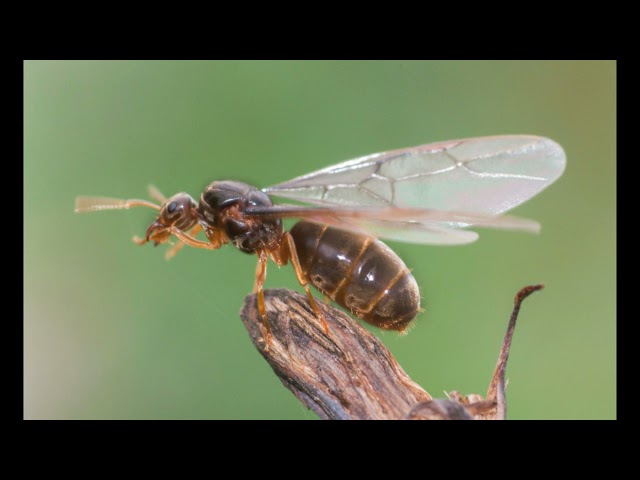
Flying ants, also known as alates, are reproductive male and female ants that emerge from their colony during mating season. These ants have wings and are capable of flying. Many people wonder if flying ants bite, and the answer is yes, they can. However, flying ants are not typically aggressive and will only bite if they feel threatened. Their bite is not painful and does not pose a threat to humans.
Flying ants play an important role in the ant colony’s reproductive cycle. They are responsible for mating and establishing new colonies. Flying ants are also a food source for other animals, such as birds and spiders.
If you see flying ants in your home, do not be alarmed. They are not a sign of an infestation. Simply open your windows or doors and allow them to fly out. If you are concerned about flying ants biting you, you can wear long sleeves and pants when you are outside.
Do Flying Ants Bite?
Flying ants, also known as alates, are reproductive male and female ants that emerge from their colony during mating season. Many people wonder if flying ants bite, and the answer is yes, they can. However, flying ants are not typically aggressive and will only bite if they feel threatened. Their bite is not painful and does not pose a threat to humans.
- Reproductive ants
- Mating season
- Not aggressive
- Bite only when threatened
- Bite not painful
Flying ants play an important role in the ant colony’s reproductive cycle. They are responsible for mating and establishing new colonies. Flying ants are also a food source for other animals, such as birds and spiders.
If you see flying ants in your home, do not be alarmed. They are not a sign of an infestation. Simply open your windows or doors and allow them to fly out. If you are concerned about flying ants biting you, you can wear long sleeves and pants when you are outside.
Reproductive ants
Reproductive ants, also known as alates, are the only ants that have wings and are capable of flying. They are responsible for mating and establishing new colonies. Flying ants emerge from their colony during mating season, which typically occurs in the spring or summer. Males and females from different colonies will mate in the air, and the females will then land and lay eggs to start new colonies.
The connection between reproductive ants and flying ants that bite is that flying ants are reproductive ants. When flying ants are looking for a mate, they may bite if they feel threatened. However, flying ants are not typically aggressive and will only bite if they feel that they are in danger.
Understanding the connection between reproductive ants and flying ants that bite is important because it can help us to avoid being bitten by flying ants. If we know that flying ants are only likely to bite if they feel threatened, we can take steps to avoid making them feel threatened. For example, we can avoid swatting at flying ants or trying to catch them.
Mating Season
Mating season is the time of year when flying ants emerge from their colonies to mate. This typically occurs in the spring or summer, depending on the species of ant. During mating season, flying ants are more likely to be seen flying around in search of a mate. They may also be more likely to bite if they feel threatened.
- Increased activity: During mating season, flying ants are more active and may be seen flying around in large numbers. This increased activity can make it more likely that you will encounter a flying ant and be bitten.
- Protective behavior: Flying ants are more likely to bite if they feel threatened. This is because they are trying to protect themselves from potential predators.
- Swarm behavior: Flying ants may swarm around lights or other objects during mating season. This can be a nuisance and may also increase the chances of being bitten.
- Reproductive instinct: Flying ants are driven by a strong reproductive instinct during mating season. This can make them more aggressive and more likely to bite if they feel that their colony is threatened.
Understanding the connection between mating season and flying ant bites can help you to avoid being bitten. If you know that flying ants are more likely to bite during mating season, you can take steps to avoid them, such as staying indoors or wearing long sleeves and pants when you are outside.
Not aggressive
Flying ants are generally not aggressive creatures. They are not typically interested in biting humans, and they will only do so if they feel threatened. This is because flying ants are primarily concerned with finding a mate and establishing a new colony. Biting is not an effective way to achieve these goals, so flying ants will avoid it if possible.
However, there are some situations in which flying ants may be more likely to bite. For example, if a flying ant is trapped or injured, it may bite in self-defense. Additionally, if a flying ant feels that its colony is threatened, it may bite in order to protect its nest.
Understanding the connection between “not aggressive” and “do flying ants bite” is important because it can help us to avoid being bitten by flying ants. If we know that flying ants are not typically aggressive, we can be less fearful of them and take steps to avoid making them feel threatened. For example, we can avoid swatting at flying ants or trying to catch them.
Bite only when threatened
Flying ants, also known as alates, are reproductive male and female ants that emerge from their colony during mating season. They are responsible for mating and establishing new colonies. Flying ants are not typically aggressive, but they may bite if they feel threatened.
-
Self-defense
One of the most common reasons why flying ants bite is self-defense. If a flying ant feels that it is in danger, it may bite in order to protect itself. This is especially true if the flying ant is trapped or injured.
-
Protection of the colony
Flying ants may also bite if they feel that their colony is threatened. This is because flying ants are responsible for the survival of the colony. If the colony is threatened, the flying ants may bite in order to protect the queen and the other ants in the colony.
-
Swarm behavior
Flying ants may also bite if they are swarming. Swarming is a behavior that occurs when a large number of flying ants leave the colony at the same time. This can happen during mating season or when the colony is overcrowded. When flying ants are swarming, they may be more likely to bite if they feel threatened.
-
Mistaken identity
Finally, flying ants may also bite if they mistake you for a predator. This is especially true if you are wearing dark colors or if you are moving quickly. If a flying ant mistakes you for a predator, it may bite you in order to defend itself.
Understanding the connection between “bite only when threatened” and “do flying ants bite” is important because it can help you to avoid being bitten by flying ants. If you know that flying ants are more likely to bite if they feel threatened, you can take steps to avoid making them feel threatened. For example, you can avoid swatting at flying ants or trying to catch them.
Bite not painful
Flying ants, also known as alates, are reproductive male and female ants that emerge from their colony during mating season. They are responsible for mating and establishing new colonies. Flying ants are not typically aggressive, but they may bite if they feel threatened. However, their bite is not painful and does not pose a threat to humans.
-
Mild discomfort
The bite of a flying ant is not painful and typically only causes mild discomfort. Flying ants have small mandibles, and their bite is not strong enough to break the skin. You may feel a slight pinch or burning sensation when a flying ant bites you, but this should go away quickly.
-
No medical attention
The bite of a flying ant does not require medical attention. The venom of flying ants is not harmful to humans, and the bite will heal on its own within a few days. However, if you are allergic to insect bites, you should seek medical attention if you are bitten by a flying ant.
-
Avoid scratching
The biggest risk associated with a flying ant bite is infection. If you scratch or pick at the bite, you can introduce bacteria into the wound and cause an infection. To avoid this, keep the bite clean and dry. You can also apply a cold compress to the bite to reduce swelling and pain.
Understanding the connection between “bite not painful” and “do flying ants bite” is important because it can help you to avoid unnecessary anxiety or fear. If you know that the bite of a flying ant is not painful and does not pose a threat to your health, you can be less worried about being bitten. This can help you to enjoy the outdoors without having to be constantly on the lookout for flying ants.
FAQs about Flying Ant Bites
Flying ants, also known as alates, are reproductive male and female ants that emerge from their colony during mating season. Many people wonder if flying ants bite, and the answer is yes, they can. However, flying ants are not typically aggressive and will only bite if they feel threatened. Their bite is not painful and does not pose a threat to humans.
Question 1: Are flying ant bites painful?
Answer: No, flying ant bites are not painful. They have small mandibles, and their bite is not strong enough to break the skin. You may feel a slight pinch or burning sensation when a flying ant bites you, but this should go away quickly.
Question 2: Do flying ant bites require medical attention?
Answer: No, flying ant bites do not require medical attention. The venom of flying ants is not harmful to humans, and the bite will heal on its own within a few days. However, if you are allergic to insect bites, you should seek medical attention if you are bitten by a flying ant.
Question 3: What should I do if I am bitten by a flying ant?
Answer: If you are bitten by a flying ant, keep the bite clean and dry. You can also apply a cold compress to the bite to reduce swelling and pain. Avoid scratching or picking at the bite, as this can introduce bacteria and cause an infection.
Question 4: How can I avoid being bitten by flying ants?
Answer: There are a few things you can do to avoid being bitten by flying ants. First, avoid areas where flying ants are active. If you must be in an area where flying ants are present, wear long sleeves and pants. You can also use insect repellent to help keep flying ants away.
Question 5: Are flying ants a sign of an infestation?
Answer: No, flying ants are not necessarily a sign of an infestation. Flying ants are simply reproductive ants that are looking for a mate. However, if you see a large number of flying ants in your home, it is possible that you have an ant infestation. In this case, you should contact a pest control professional.
Question 6: What is the difference between flying ants and termites?
Answer: Flying ants and termites are both winged insects, but they are not the same type of insect. Flying ants are ants, while termites are termites. Flying ants have a narrow waist, while termites have a broad waist. Flying ants also have two pairs of wings, while termites have four pairs of wings.
Summary of key takeaways or final thought: Flying ants are not typically aggressive and will only bite if they feel threatened. Their bite is not painful and does not pose a threat to humans. However, if you are allergic to insect bites, you should seek medical attention if you are bitten by a flying ant. There are a few things you can do to avoid being bitten by flying ants, such as avoiding areas where they are active and wearing long sleeves and pants.
Transition to the next article section: Flying ants are an important part of the ecosystem. They help to pollinate plants and provide food for other animals. However, flying ants can also be a nuisance when they enter our homes. By understanding the behavior of flying ants, we can take steps to avoid being bitten and to keep them out of our homes.
Tips to Avoid Flying Ant Bites
Flying ants, also known as alates, are reproductive male and female ants that emerge from their colony during mating season. Flying ants are not typically aggressive, but they may bite if they feel threatened. Their bite is not painful and does not pose a threat to humans, but it can be a nuisance.
Tip 1: Avoid areas where flying ants are active. Flying ants are most active during mating season, which typically occurs in the spring or summer. During this time, avoid areas where flying ants are known to be present, such as parks, fields, and wooded areas.
Tip 2: If you must be in an area where flying ants are present, wear long sleeves and pants. This will help to protect your skin from flying ant bites.
Tip 3: Use insect repellent to help keep flying ants away. Insect repellent can be applied to your skin or clothing to help deter flying ants from biting you.
Tip 4: Keep your home clean and free of food debris. Flying ants are attracted to food, so keeping your home clean and free of food debris will help to keep them away.
Tip 5: Seal up any cracks or crevices in your home where flying ants could enter. This will help to prevent flying ants from getting into your home in the first place.
Tip 6: If you see a flying ant in your home, do not swat at it or try to catch it. This will only make the flying ant feel threatened and more likely to bite. Instead, simply open a window or door and allow the flying ant to fly out.
Summary of key takeaways or benefits: By following these tips, you can help to avoid being bitten by flying ants. Flying ant bites are not painful and do not pose a threat to humans, but they can be a nuisance. By taking steps to avoid being bitten, you can enjoy the outdoors without having to worry about flying ants.
Transition to the article’s conclusion: Flying ants are an important part of the ecosystem. They help to pollinate plants and provide food for other animals. However, flying ants can also be a nuisance when they enter our homes. By understanding the behavior of flying ants and taking steps to avoid being bitten, we can keep them out of our homes and enjoy the outdoors without worry.
Conclusion
Flying ants, also known as alates, are reproductive male and female ants that emerge from their colony during mating season. Many people wonder if flying ants bite, and the answer is yes, they can. However, flying ants are not typically aggressive and will only bite if they feel threatened. Their bite is not painful and does not pose a threat to humans.
It is important to understand the behavior of flying ants in order to avoid being bitten. Flying ants are most active during mating season, which typically occurs in the spring or summer. They are attracted to light, so they may be more likely to enter homes at night. If you see a flying ant in your home, do not swat at it or try to catch it. This will only make the flying ant feel threatened and more likely to bite. Instead, simply open a window or door and allow the flying ant to fly out.
By taking steps to avoid being bitten by flying ants, you can enjoy the outdoors without having to worry about these pests. Flying ants are an important part of the ecosystem, and they play a vital role in pollination and providing food for other animals. However, by understanding their behavior and taking steps to avoid being bitten, we can coexist with flying ants and enjoy the outdoors without worry.
Youtube Video: