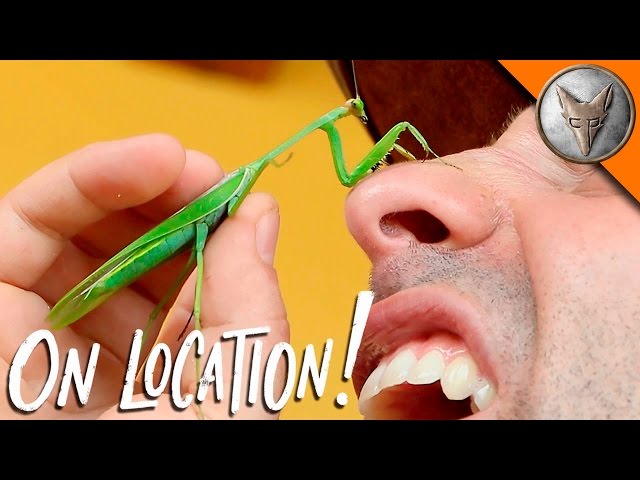
Praying mantises are fascinating insects that are often feared due to their large size and powerful jaws. However, despite their fearsome appearance, praying mantises are generally not aggressive towards humans and will only bite if they feel threatened.
Praying mantis bites are not typically dangerous, but they can be painful. The pain is caused by the mantis’s sharp, serrated mandibles, which can pierce the skin and inject a mild venom. The venom is not harmful to humans, but it can cause localized pain, swelling, and redness.
In most cases, praying mantis bites can be treated at home with simple first aid. However, if the bite is severe or if you experience any symptoms of an allergic reaction, such as difficulty breathing or swelling of the face or throat, it is important to seek medical attention immediately.
Do Praying Mantis Bites Hurt?
Praying mantises are fascinating insects that are often feared due to their large size and powerful jaws. However, despite their fearsome appearance, praying mantises are generally not aggressive towards humans and will only bite if they feel threatened.
- Painful: Praying mantis bites can be painful due to their sharp, serrated mandibles.
- Venomous: Praying mantises inject a mild venom when they bite, which can cause localized pain, swelling, and redness.
- Not dangerous: The venom is not harmful to humans, and most bites can be treated at home with simple first aid.
- Avoidance: Praying mantises are not aggressive and will only bite if they feel threatened, so it is important to avoid handling them.
- Medical attention: If the bite is severe or if you experience any symptoms of an allergic reaction, it is important to seek medical attention immediately.
Praying mantis bites are a reminder that even small insects can cause pain if they feel threatened. It is important to be aware of the potential risks when handling any insect, and to take precautions to avoid being bitten.
Painful
The pain associated with praying mantis bites is directly related to the insect’s sharp, serrated mandibles. These mandibles are designed to pierce and grip prey, and they can easily puncture human skin. The serrations on the mandibles help to anchor the mantis’s grip, making it difficult to remove the insect once it has bitten.
The pain of a praying mantis bite can vary depending on the size of the mantis and the location of the bite. Bites on the fingers or other sensitive areas can be particularly painful. In some cases, the pain can last for several hours or even days.
It is important to note that praying mantises are not typically aggressive towards humans, and they will only bite if they feel threatened. If you are handling a praying mantis, it is important to be gentle and to avoid making any sudden movements that could startle the insect.
If you are bitten by a praying mantis, the best course of action is to clean the wound with soap and water and to apply a cold compress to reduce swelling. If the pain is severe or if you experience any symptoms of an allergic reaction, such as difficulty breathing or swelling of the face or throat, it is important to seek medical attention immediately.
Venomous
The mild venom injected by praying mantises when they bite is a key factor in understanding why their bites can be painful. This venom contains a variety of chemicals that can cause localized pain, swelling, and redness. The severity of the reaction can vary depending on the individual’s sensitivity to the venom.
- Pain: The venom contains neurotoxins that can block pain signals from reaching the brain. This can lead to a temporary loss of sensation in the bitten area, followed by a period of intense pain.
- Swelling: The venom also contains histamine, which is a chemical that causes blood vessels to dilate and leak fluid. This can lead to swelling and redness in the bitten area.
- Redness: The venom contains other chemicals that can cause the skin to become red and inflamed.
In most cases, the pain and swelling from a praying mantis bite will subside within a few hours or days. However, in some cases, the reaction can be more severe and may require medical attention.
Not dangerous
While praying mantis bites can be painful, they are not typically dangerous. The venom injected by praying mantises is not harmful to humans, and most bites can be treated at home with simple first aid. This is due to several factors:
- Mild venom: The venom injected by praying mantises is relatively mild and does not contain any toxins that are harmful to humans.
- Small amount of venom: Praying mantises only inject a small amount of venom when they bite, which further reduces the risk of harm.
- Local effects: The venom of praying mantises only has localized effects, meaning that it only affects the area around the bite. This prevents the venom from spreading throughout the body and causing more serious harm.
In most cases, praying mantis bites can be treated at home with simple first aid. This includes cleaning the wound with soap and water, applying a cold compress to reduce swelling, and taking over-the-counter pain relievers. If the bite is severe or if you experience any symptoms of an allergic reaction, such as difficulty breathing or swelling of the face or throat, it is important to seek medical attention immediately.
Overall, while praying mantis bites can be painful, they are not typically dangerous and can be treated at home with simple first aid.
Avoidance
The connection between “Avoidance: Praying mantises are not aggressive and will only bite if they feel threatened, so it is important to avoid handling them.” and “do praying mantis bites hurt” is significant. Praying mantises are not naturally aggressive towards humans, and they will only bite if they feel threatened. This means that the best way to avoid being bitten by a praying mantis is to avoid handling them.
There are a number of reasons why it is important to avoid handling praying mantises. First, praying mantises have powerful jaws that can deliver a painful bite. Second, praying mantises can inject a mild venom when they bite, which can cause localized pain, swelling, and redness. While this venom is not harmful to humans, it can be uncomfortable.
In addition, handling praying mantises can stress them out, which can make them more likely to bite. If you must handle a praying mantis, it is important to do so gently and carefully. Avoid making any sudden movements that could startle the insect.
By understanding the connection between “Avoidance: Praying mantises are not aggressive and will only bite if they feel threatened, so it is important to avoid handling them.” and “do praying mantis bites hurt”, you can take steps to avoid being bitten by these fascinating insects.
Medical attention
Praying mantis bites are typically not dangerous, but there are some cases where it is important to seek medical attention. These include:
- Severe bites: If the bite is deep or causes significant pain, it is important to seek medical attention to rule out any underlying damage.
- Allergic reactions: Some people may be allergic to the venom of praying mantises. Symptoms of an allergic reaction can include difficulty breathing, swelling of the face or throat, and hives.
If you experience any of these symptoms, it is important to seek medical attention immediately. Early treatment can help to prevent serious complications.
It is also important to note that praying mantises are not typically aggressive towards humans. They will only bite if they feel threatened. Therefore, it is important to avoid handling praying mantises unnecessarily.
By understanding the connection between “Medical attention: If the bite is severe or if you experience any symptoms of an allergic reaction, it is important to seek medical attention immediately.” and “do praying mantis bites hurt”, you can take steps to protect yourself from any potential harm.
FAQs on Praying Mantis Bites
Praying mantises are fascinating insects, but their powerful jaws and aggressive appearance can be intimidating. Here are some frequently asked questions about praying mantis bites to help you better understand these insects and avoid any potential harm.
Question 1: Do praying mantis bites hurt?
Yes, praying mantis bites can be painful. Their sharp, serrated mandibles can pierce the skin and inject a mild venom that causes localized pain, swelling, and redness. The pain can vary depending on the size of the mantis and the location of the bite.
Question 2: Are praying mantis bites dangerous?
Praying mantis bites are typically not dangerous to humans. The venom they inject is not harmful, and most bites can be treated at home with simple first aid. However, it is important to seek medical attention if the bite is severe or if you experience any symptoms of an allergic reaction.
Question 3: Why do praying mantises bite?
Praying mantises are not typically aggressive towards humans. They will only bite if they feel threatened. This can happen if you handle them roughly or if they mistake your finger for food.
Question 4: How can I avoid being bitten by a praying mantis?
The best way to avoid being bitten by a praying mantis is to avoid handling them. If you must handle a praying mantis, do so gently and carefully. Avoid making any sudden movements that could startle the insect.
Question 5: What should I do if I am bitten by a praying mantis?
If you are bitten by a praying mantis, clean the wound with soap and water and apply a cold compress to reduce swelling. Over-the-counter pain relievers can be used to relieve pain. If the bite is severe or if you experience any symptoms of an allergic reaction, seek medical attention immediately.
Question 6: Are there any benefits to praying mantises?
Praying mantises are beneficial insects that help to control populations of pests, such as flies and mosquitoes. They are also fascinating creatures to observe in the wild.
By understanding the answers to these common questions, you can better understand praying mantises and avoid any potential harm from their bites.
Transition to the next article section: Praying mantises are fascinating creatures, but it is important to remember that they are wild animals and should be treated with respect. By understanding their behavior and taking precautions to avoid being bitten, you can safely enjoy the presence of these beneficial insects.
Tips to Avoid Praying Mantis Bites
Praying mantises are fascinating insects, but their powerful jaws can deliver a painful bite. Here are some tips to help you avoid being bitten by these insects:
Tip 1: Avoid handling praying mantises.
The best way to avoid being bitten by a praying mantis is to avoid handling them. Praying mantises are not typically aggressive towards humans, but they will bite if they feel threatened. If you must handle a praying mantis, do so gently and carefully. Avoid making any sudden movements that could startle the insect.
Tip 2: Be aware of your surroundings.
Praying mantises are often found in gardens, fields, and other areas with vegetation. Be aware of your surroundings when you are in these areas, and avoid disturbing any praying mantises that you see.
Tip 3: Wear protective clothing.
If you are working in an area where praying mantises are present, wear protective clothing, such as gloves and long sleeves. This will help to protect your skin from being bitten.
Tip 4: Keep your distance.
If you see a praying mantis, keep your distance. Do not approach the insect or make any sudden movements. If the praying mantis feels threatened, it may bite.
Tip 5: Educate others.
Help to raise awareness about praying mantis bites by educating others. Share these tips with your friends, family, and colleagues. By working together, we can help to prevent praying mantis bites and protect these beneficial insects.
Summary:
By following these tips, you can help to avoid being bitten by a praying mantis. Praying mantises are fascinating creatures, but it is important to remember that they are wild animals and should be treated with respect.
Transition:
Praying mantises are a valuable part of our ecosystem. They help to control populations of pests, such as flies and mosquitoes. By understanding their behavior and taking precautions to avoid being bitten, we can safely enjoy the presence of these beneficial insects.
Conclusion
Praying mantis bites can be painful, but they are typically not dangerous to humans. The venom injected by praying mantises is not harmful, and most bites can be treated at home with simple first aid. However, it is important to seek medical attention if the bite is severe or if you experience any symptoms of an allergic reaction.
Praying mantises are fascinating creatures that play an important role in our ecosystem. They help to control populations of pests, such as flies and mosquitoes. By understanding their behavior and taking precautions to avoid being bitten, we can safely enjoy the presence of these beneficial insects.
Call to action:
Help to raise awareness about praying mantis bites by educating others. Share these tips with your friends, family, and colleagues. By working together, we can help to prevent praying mantis bites and protect these beneficial insects.
Youtube Video: