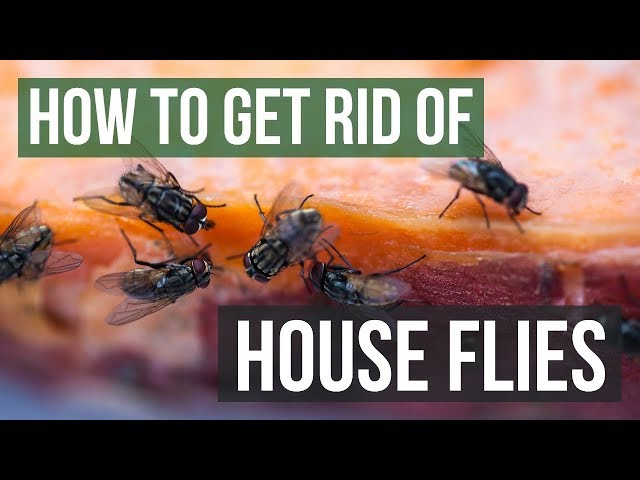
Fly control refers to the methods and techniques used to manage and reduce populations of flies, which are common household pests and can also transmit diseases. Fly control measures can be physical, chemical, or biological, and may involve the use of traps, insecticides, or natural predators.
Effective fly control is important for several reasons. Flies can contaminate food and surfaces with bacteria and other harmful microorganisms, posing a health risk to humans and animals. They can also be a nuisance, causing discomfort and distraction. Additionally, some species of flies, such as the tsetse fly, can transmit serious diseases such as sleeping sickness. Throughout history, fly control has been an ongoing challenge, particularly in warm and humid climates where fly populations can thrive.
To address the issue of fly control, researchers and pest management professionals have developed a range of strategies. These include:
- Physical methods: such as fly screens, traps, and fans, which can prevent flies from entering buildings or reduce their numbers.
- Chemical methods: such as insecticides and fly baits, which can kill flies on contact or attract them to a toxic substance.
- Biological methods: such as the use of natural predators, such as parasitoid wasps, which can help to control fly populations.
The choice of fly control method will depend on the specific situation and the level of infestation. In some cases, a combination of methods may be necessary to achieve effective control.
Fly Control
Effective fly control is essential for maintaining a clean, healthy, and pest-free environment. Here are five key aspects to consider:
- Prevention: Keep flies out of your home or business by sealing cracks and gaps, installing fly screens, and using fans to create a barrier.
- Sanitation: Eliminate fly breeding grounds by keeping your property clean and free of garbage, pet waste, and other potential attractants.
- Trapping: Use fly traps to catch and kill flies. There are a variety of traps available, including sticky traps, light traps, and bait traps.
- Insecticides: Insecticides can be used to kill flies on contact. However, it is important to use insecticides carefully and according to the manufacturer’s instructions.
- Natural predators: Natural predators, such as spiders and wasps, can help to control fly populations. Encourage these predators to visit your property by providing them with food and shelter.
By implementing these key aspects of fly control, you can effectively reduce fly populations and protect your health and property.
Prevention
Preventing flies from entering your home or business is a crucial aspect of fly control. Flies are attracted to a variety of things, including food, garbage, and pet waste. By sealing up potential entry points and creating a barrier, you can make your property less appealing to flies and reduce the risk of infestation.
- Sealing cracks and gaps: Flies can enter your home or business through even the smallest cracks and gaps. Be sure to seal up any gaps around windows, doors, pipes, and other openings. You can use caulk, weatherstripping, or expanding foam to seal up these gaps.
- Installing fly screens: Fly screens are a simple and effective way to keep flies out of your home or business. Be sure to install fly screens on all windows and doors that open to the outside.
- Using fans to create a barrier: Flies are weak flyers, so they can be easily deterred by a strong breeze. You can use fans to create a barrier of air that will prevent flies from entering your home or business.
By taking these preventive measures, you can significantly reduce the risk of a fly infestation in your home or business.
Sanitation
Maintaining proper sanitation is a critical component of fly control. Flies are attracted to filth and decaying organic matter, so it is essential to eliminate potential breeding grounds around your property. This includes keeping your garbage cans clean and covered, regularly removing pet waste, and cleaning up any spills or messes that could attract flies.
- Garbage management: Garbage is a major attractant for flies, so it is important to keep your garbage cans clean and covered. Be sure to empty your garbage cans regularly, and rinse them out with a hose or disinfectant to remove any residue. You should also keep your garbage cans in a covered area, such as a garage or shed.
- Pet waste removal: Pet waste is another common attractant for flies. Be sure to pick up your pet’s waste regularly, and dispose of it in a covered garbage can. You can also use a pet waste bag to collect and dispose of your pet’s waste.
- Cleanliness: Flies are also attracted to spills and messes, so it is important to keep your property clean. Be sure to clean up any spills or messes immediately, and sweep or vacuum your floors regularly. You should also keep your windows and doors clean, as flies can be attracted to light.
By following these simple sanitation tips, you can help to reduce the risk of fly infestation on your property.
Trapping
Trapping is an essential component of fly control. Fly traps are designed to attract and kill flies, reducing their population and preventing them from transmitting diseases. There are a variety of fly traps available, each with its own advantages and disadvantages.
Sticky traps are coated with a sticky substance that traps flies when they land on it. Light traps use ultraviolet light to attract flies, which are then electrocuted when they touch the trap. Bait traps use food or other attractants to lure flies into a trap, where they are then killed by a pesticide.
The choice of fly trap will depend on the specific situation and the level of infestation. In some cases, a combination of traps may be necessary to achieve effective control. For example, sticky traps can be used to monitor fly populations, while light traps can be used to kill large numbers of flies.
Trapping is an important part of fly control, as it can help to reduce fly populations and prevent them from transmitting diseases. By using the right traps and implementing a comprehensive fly control program, you can effectively protect your home or business from flies.
Insecticides
Insecticides are an essential tool in the fight against flies. They can be used to quickly and effectively kill large numbers of flies, and they can also be used to prevent flies from entering buildings in the first place. However, it is important to use insecticides carefully and according to the manufacturer’s instructions. Insecticides can be harmful to humans and animals if they are not used properly.
-
Types of Insecticides
There are a variety of different insecticides available, each with its own advantages and disadvantages. Some of the most common types of insecticides used for fly control include:- Pyrethroids
- Organophosphates
- Carbamates
-
How to Use Insecticides Safely
When using insecticides, it is important to follow the manufacturer’s instructions carefully. This will help to ensure that the insecticide is used safely and effectively. Here are some general tips for using insecticides safely:- Read the label carefully before using the insecticide.
- Wear protective clothing, such as gloves and a mask, when applying the insecticide.
- Do not apply the insecticide to food or surfaces where food is prepared.
- Keep the insecticide out of reach of children and pets.
-
Alternatives to Insecticides
In some cases, it may be possible to control flies without using insecticides. Some alternatives to insecticides include:- Fly traps
- Fly screens
- Natural predators
Insecticides can be an effective tool for fly control, but it is important to use them carefully and according to the manufacturer’s instructions. By following these tips, you can help to ensure that insecticides are used safely and effectively.
Natural predators
Utilizing natural predators is a sustainable and effective method for fly control. By providing food and shelter for beneficial insects, such as spiders and wasps, we can encourage them to establish a presence on our property, where they will prey on flies and other pests.
- Predator-Prey Relationship: Natural predators have a voracious appetite for flies. Spiders, for instance, spin webs to trap unsuspecting flies, while wasps actively hunt and paralyze them as a food source for their young.
- Habitat Enhancement: Providing these predators with food sources, such as nectar-producing plants for wasps and insects for spiders, encourages them to frequent an area. Additionally, offering shelter in the form of nesting boxes or undisturbed corners can make your property more attractive to these beneficial insects.
- Biological Control: By fostering a balanced ecosystem that supports natural predators, we can achieve biological control of fly populations. This approach reduces the reliance on chemical pesticides, minimizing environmental impact and promoting overall biodiversity.
- Long-Term Solution: Unlike chemical treatments that provide temporary relief, natural predators offer a long-term, self-sustaining solution to fly control. As long as their food and shelter needs are met, they will continue to regulate fly populations naturally.
In conclusion, embracing natural predators as part of a comprehensive fly control strategy can provide lasting benefits. By inviting these beneficial insects into our environment, we harness their natural abilities to keep fly populations in check, promote ecological balance, and maintain a healthier living space free from the nuisance and potential health risks posed by flies.
FAQs on Fly Control
This section addresses frequently asked questions about fly control, providing informative answers to common concerns and misconceptions.
Question 1: What are the most effective methods of fly control?
Answer: Effective fly control involves a combination of preventive measures, such as sealing entry points and maintaining proper sanitation, along with the strategic use of traps, insecticides, and natural predators.
Question 2: Is it safe to use insecticides for fly control?
Answer: Insecticides can be effective for fly control, but they should be used with caution and according to the manufacturer’s instructions. Improper use of insecticides can pose risks to human health and the environment.
Question 3: What are natural ways to control flies?
Answer: Natural fly control methods include using fly traps, encouraging natural predators, and maintaining good sanitation practices. These methods are generally considered safer for the environment and human health.
Question 4: How can I prevent flies from entering my home or business?
Answer: Fly prevention involves sealing cracks and gaps, installing fly screens, and using fans to create a barrier. Additionally, maintaining proper sanitation and eliminating potential breeding grounds can help keep flies away.
Question 5: What are the health risks associated with flies?
Answer: Flies can transmit various diseases and bacteria, including typhoid, dysentery, and food poisoning. They can also cause allergic reactions and skin irritations.
Question 6: How often should I implement fly control measures?
Answer: Fly control should be an ongoing effort, especially during warmer months when fly populations are more prevalent. Regular cleaning, sanitation, and the use of preventative measures can help minimize fly infestations.
In summary, effective fly control requires a comprehensive approach that includes prevention, sanitation, and the use of appropriate control methods. By understanding the various aspects of fly control, we can effectively manage fly populations and mitigate the associated health risks.
To learn more about fly control and its importance, please refer to the following resources:
Fly Control Tips
Implement these effective fly control tips to prevent infestations and maintain a clean, healthy environment:
Tip 1: Eliminate breeding grounds: Flies breed in decaying organic matter. Remove garbage regularly, clean up pet waste, and keep your property free of debris to eliminate potential breeding sites.
Tip 2: Seal entry points: Flies can enter through even the smallest cracks or gaps. Seal windows, doors, and any other openings with caulk or weatherstripping to prevent flies from getting inside.
Tip 3: Use fly screens: Install fly screens on windows and doors to physically block flies from entering.
Tip 4: Keep your home clean: Regularly clean surfaces, vacuum floors, and mop to remove food residue and other attractants that may attract flies.
Tip 5: Use fly traps: Place fly traps strategically around your property to capture and kill flies. Choose traps that are appropriate for the type of flies you are targeting.
Tip 6: Use fans: Keep fans running to create a breeze, which can deter flies from entering or landing.
Tip 7: Keep outdoor areas clean: Regularly clean outdoor areas, including patios, decks, and grills, to remove food debris and potential breeding grounds.
Tip 8: Use natural remedies: Consider using natural fly repellents, such as essential oils like peppermint or eucalyptus, to deter flies.
By following these tips, you can effectively control fly populations, prevent infestations, and maintain a fly-free environment.
Fly Control
Fly control is essential for maintaining a clean, healthy, and pest-free environment. Effective fly control requires a comprehensive approach that addresses both prevention and control measures. This includes eliminating breeding grounds, sealing entry points, using physical barriers, maintaining proper sanitation, and employing appropriate control methods.
Understanding the importance of fly control and implementing effective strategies is crucial to mitigate the health risks associated with flies and ensure a comfortable and hygienic living space. By adopting a proactive approach to fly control, we can effectively manage fly populations and create a healthier environment for ourselves and our communities.
Youtube Video: