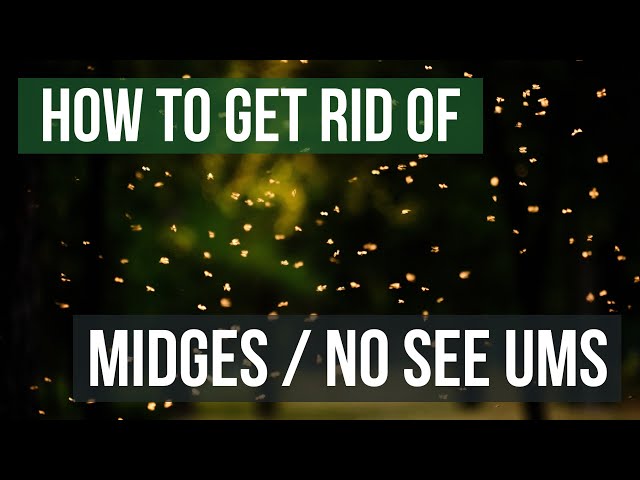
No-see-ums are a type of biting midge that can cause skin irritation and allergic reactions. They are most active at dawn and dusk, and are often found in damp, shady areas. If you’re looking for ways to get rid of no-see-ums, there are a few things you can do.
One of the most effective ways to get rid of no-see-ums is to use insect repellent. Look for repellents that contain DEET, picaridin, or IR3535. You can also try using natural repellents, such as citronella or peppermint oil. Be sure to apply repellent to all exposed skin, and reapply as directed.
In addition to using insect repellent, you can also take steps to reduce the number of no-see-ums around your home. Remove any standing water from your property, as this is a breeding ground for no-see-ums. You can also trim back vegetation around your home, as this will help to reduce the number of places where no-see-ums can hide.
how to get rid of no see ums
No-see-ums are a type of biting midge that can cause skin irritation and allergic reactions. They are most active at dawn and dusk, and are often found in damp, shady areas. To effectively get rid of no-see-ums, consider the following key aspects:
- Repellents: Use insect repellents containing DEET, picaridin, or IR3535.
- Prevention: Remove standing water, trim vegetation, and wear protective clothing.
- Traps: Set up light traps or sticky traps to attract and eliminate no-see-ums.
- Natural remedies: Apply natural repellents like citronella or peppermint oil.
- Professional help: Contact a pest control professional for severe infestations.
By addressing these key aspects, you can effectively reduce the presence of no-see-ums and minimize their impact. Remember, prevention and consistent application of repellents are crucial for long-term control.
Repellents
Insect repellents are an essential component of any strategy to get rid of no-see-ums. These repellents work by creating a barrier on the skin that prevents no-see-ums from biting. The most effective repellents contain DEET, picaridin, or IR3535. These ingredients have been shown to be effective in repelling no-see-ums for several hours.
When using insect repellent, it is important to apply it evenly to all exposed skin. You should also reapply the repellent every few hours, especially if you are sweating or swimming. It is also important to avoid getting repellent in your eyes or mouth.
Insect repellents are a safe and effective way to get rid of no-see-ums. By using repellent, you can reduce your risk of being bitten and developing skin irritation or allergic reactions.
Prevention
Preventing no-see-ums from entering your home and yard is crucial for effective pest control. Standing water, overgrown vegetation, and lack of protective clothing can attract and harbor these tiny insects, making it easier for them to thrive and become a nuisance.
No-see-ums breed in moist environments, so eliminating standing water sources is essential. Regularly check your property for clogged gutters, birdbaths, and other areas where water can accumulate. Remove any unnecessary water sources and ensure proper drainage to reduce breeding grounds.
Overgrown vegetation provides hiding spots for no-see-ums, allowing them to rest and avoid detection. Regularly trim grass, shrubs, and trees around your home to reduce their hiding places. Keep your lawn mowed and remove any piles of leaves or debris that may provide shelter.
Wearing protective clothing can also help prevent no-see-um bites. When spending time outdoors, wear long sleeves, pants, and socks. Tuck your pants into your socks to prevent no-see-ums from crawling up your legs. Light-colored clothing is less attractive to these insects, so opt for whites, yellows, or pastels.
By implementing these preventive measures, you can significantly reduce the presence of no-see-ums in your environment. Removing their breeding grounds, eliminating hiding spots, and wearing protective clothing are effective strategies to minimize their impact and enjoy a more comfortable outdoor experience.
Traps
Traps are a highly effective method for capturing and eliminating no-see-ums. These traps work by using light or sticky surfaces to attract and trap the insects, preventing them from biting and causing discomfort.
One type of trap is the light trap. Light traps emit ultraviolet light, which attracts no-see-ums. Once the insects approach the trap, they are sucked into a collection container or electrocuted. Light traps are most effective when placed in areas where no-see-ums are known to be active, such as near breeding sites or outdoor gathering areas.
Another type of trap is the sticky trap. Sticky traps are coated with a sticky substance that traps no-see-ums when they land on the surface. Sticky traps are less effective than light traps, but they can be useful for monitoring no-see-um activity or trapping smaller numbers of insects.
Traps are a valuable component of any comprehensive no-see-um control program. By attracting and eliminating these insects, traps can help to reduce the population of no-see-ums in an area and minimize their impact on human activities.
Natural remedies
In exploring approaches to “how to get rid of no see ums,” natural remedies offer an alternative to chemical repellents, utilizing plant-based ingredients with insect-repelling properties. Natural repellents, such as citronella and peppermint oil, have been traditionally used for their ability to deter no-see-ums and other insects. These remedies are often considered safer for use on the skin and around pets, making them a popular choice for individuals seeking a more natural approach to pest control.
- Citronella: Citronella oil is derived from the leaves and stems of the citronella plant. It contains compounds like citronellal and geraniol, which have insect-repellent properties. Citronella candles, sprays, and diffusers are commonly used to create a protective barrier around outdoor areas, helping to keep no-see-ums at bay.
- Peppermint oil: Peppermint oil is extracted from the leaves of the peppermint plant. Its active ingredient, menthol, has a strong, minty scent that many insects find unappealing. Peppermint oil can be applied topically diluted in a carrier oil, such as coconut oil, or diffused in a diffuser to repel no-see-ums and other insects.
While natural repellents may not be as effective as chemical repellents containing DEET or picaridin, they can provide a degree of protection and are often preferred for their natural and eco-friendly properties. It’s worth noting that the effectiveness of natural repellents can vary depending on the concentration of the active ingredients and individual sensitivity.
Professional help
When dealing with severe infestations of no-see-ums, it becomes imperative to seek professional assistance. Pest control professionals possess the expertise, equipment, and knowledge necessary to effectively eliminate these pests and prevent their recurrence.
- Assessment and Identification: Professionals conduct thorough inspections to identify the species of no-see-ums, their breeding grounds, and the extent of the infestation. This information guides the development of a targeted treatment plan.
- Targeted Treatment: Pest control professionals employ various methods to eliminate no-see-ums, including chemical treatments, traps, and habitat modification. They select the most appropriate approach based on the specific infestation and environmental factors.
- Integrated Pest Management (IPM): Professionals adopt an IPM approach, combining multiple strategies to control no-see-ums in the long term. This includes addressing factors that contribute to infestations, such as standing water and overgrown vegetation.
- Prevention and Monitoring: After eliminating the infestation, pest control professionals provide recommendations for prevention, such as eliminating breeding sites and using repellents. They may also conduct regular monitoring to ensure the infestation does not reoccur.
By engaging professional help for severe no-see-um infestations, individuals can effectively address the problem, protect their health and comfort, and prevent future infestations.
FAQs
This section addresses frequently asked questions to provide comprehensive information on effectively eliminating no-see-ums.
Question 1: What are the most effective methods to repel no-see-ums?
Answer: Utilizing insect repellents containing DEET, picaridin, or IR3535 is highly effective in deterring no-see-ums. Additionally, natural repellents like citronella or peppermint oil offer eco-friendly alternatives.
Question 2: How can I prevent no-see-ums from breeding around my property?
Answer: Eliminating standing water sources, such as clogged gutters, birdbaths, and ponds, is crucial to prevent no-see-ums from breeding. Regularly trimming overgrown vegetation also reduces their hiding spots.
Question 3: Are light traps effective in controlling no-see-ums?
Answer: Yes, light traps that emit ultraviolet light effectively attract and eliminate no-see-ums by trapping them in a collection container or electrocuting them.
Question 4: Can professional pest control services provide a long-term solution?
Answer: Professional pest control companies offer comprehensive solutions for severe infestations. They employ targeted treatments, conduct thorough inspections, and provide prevention strategies to address the root causes of the problem.
Question 5: Are there any natural remedies that can help alleviate no-see-um bites?
Answer: Applying a paste made of baking soda and water to the affected area can help neutralize the irritating effects of no-see-um bites. Aloe vera gel also provides soothing and anti-inflammatory properties.
Question 6: How can I protect myself from no-see-ums when spending time outdoors?
Answer: Wearing long sleeves, pants, and socks, as well as tucking pant legs into socks, helps create a physical barrier against no-see-ums. Light-colored clothing is less attractive to these insects.
Summary: By understanding the effective methods to repel, prevent, and eliminate no-see-ums, individuals can minimize the discomfort and health risks associated with these pests. Implementing a combination of strategies, including the use of repellents, habitat modification, and professional assistance when necessary, ensures a more enjoyable outdoor experience.
Transition to the next article section: For further in-depth information on specific no-see-um control techniques, please refer to the following sections.
Tips to Effectively Eliminate No-See-Ums
To effectively eliminate no-see-ums and minimize their impact, consider the following practical tips:
Tip 1: Employ Insect Repellents
Use insect repellents containing DEET, picaridin, or IR3535. Apply evenly to exposed skin and reapply as directed to maintain a protective barrier against no-see-um bites.
Tip 2: Prevent Breeding Grounds
Eliminate standing water sources such as clogged gutters, birdbaths, and ponds to prevent no-see-ums from breeding. Regularly trim overgrown vegetation to reduce their hiding spots.
Tip 3: Utilize Traps
Set up light traps that emit ultraviolet light to attract and eliminate no-see-ums. Sticky traps can also be used for monitoring and capturing smaller numbers of insects.
Tip 4: Consider Natural Remedies
Apply natural repellents like citronella or peppermint oil to deter no-see-ums. These plant-based ingredients offer eco-friendly alternatives to chemical repellents.
Tip 5: Seek Professional Assistance
For severe infestations, consult professional pest control services. They employ targeted treatments, conduct thorough inspections, and provide prevention strategies to address the root causes of the problem.
Tip 6: Wear Protective Clothing
When spending time outdoors, wear long sleeves, pants, and socks. Tuck pant legs into socks to create a physical barrier against no-see-ums. Light-colored clothing is less attractive to these insects.
Summary: By implementing these practical tips, individuals can effectively reduce the presence and impact of no-see-ums, ensuring a more comfortable and enjoyable outdoor experience.
Transition to the article’s conclusion: For further insights and additional measures to combat no-see-ums, please refer to the following sections.
Conclusion
Effectively addressing the issue of no-see-ums requires a comprehensive approach that encompasses prevention, control, and personal protection. This article has explored various strategies to “get rid of no see ums,” empowering individuals with the knowledge and tools to minimize their impact.
By implementing the recommended measures, such as utilizing insect repellents, eliminating breeding grounds, setting up traps, considering natural remedies, and seeking professional assistance when necessary, we can effectively reduce the presence and nuisance of no-see-ums. These actions not only enhance our outdoor experiences but also safeguard our health and well-being from their irritating bites.
As we continue to explore and refine our understanding of no-see-ums and their behavior, we can anticipate advancements in control methods and preventive measures. By staying informed and adopting a proactive approach, we can create a more comfortable and enjoyable environment, free from the discomfort caused by these tiny pests.
Youtube Video: