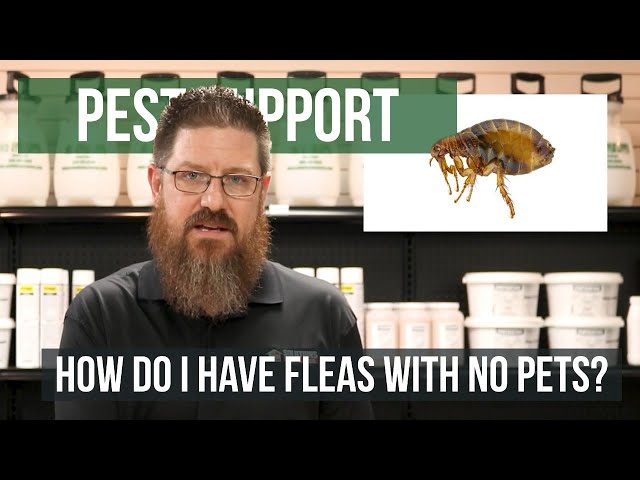
Fleas are small, wingless insects that feed on the blood of mammals and birds. They are a common problem for pet owners, but they can also be a problem for people who don’t have pets. Fleas can enter a home on the clothing of people who have been in contact with infested animals, or they can be brought in on wild animals such as rodents or squirrels.
Once inside a home, fleas can quickly become a problem. They can lay up to 50 eggs per day, and these eggs can hatch into adults within two weeks. Fleas can also transmit diseases to humans and animals, including typhus, tapeworms, and plague.
There are a number of things that people can do to prevent and control fleas in their homes. These include:
- Vacuuming regularly to remove fleas and their eggs
- Washing bedding and other fabrics in hot water to kill fleas and their eggs
- Using flea control products on pets
- Keeping the yard clean and free of debris that can attract fleas
Why Fleas Are a Problem Even When You Don’t Have a Pet
Fleas are small, wingless insects that feed on the blood of mammals and birds. While they are commonly associated with pets, they can also be a problem for people who don’t have pets. Here are five key aspects to consider:
- Disease transmission: Fleas can transmit diseases to humans and animals, including typhus, tapeworms, and plague.
- Allergic reactions: Flea bites can cause allergic reactions in some people, leading to itching, swelling, and redness.
- Nuisance factor: Fleas can be a nuisance, crawling on your skin and biting you.
- Economic impact: Flea infestations can be expensive to treat, and they can also damage your home and belongings.
- Public health concern: Fleas can spread diseases to the general public, even if they don’t have pets.
These five key aspects highlight the importance of taking precautions against fleas, even if you don’t have a pet. Fleas can be a serious problem for both humans and animals, and it is important to take steps to prevent and control them.
Disease transmission
Fleas are capable of transmitting various diseases to both humans and animals without the need for a host pet. This poses a significant problem, particularly in areas with high flea populations or in proximity to wildlife that may carry fleas. Understanding the connection between flea-borne diseases and the absence of pets is crucial for effective prevention and control measures.
- Public health implications: Fleas can spread diseases like typhus, tapeworms, and plague, which can have severe health consequences for individuals and communities. Even in the absence of pets, fleas can infest homes and other public spaces, putting people at risk of infection.
- Economic impact: Flea-borne diseases can lead to substantial healthcare costs and economic losses, particularly in areas where outbreaks occur. Preventing flea infestations and controlling flea populations can help reduce the risk of disease transmission and associated economic burdens.
- Ecological implications: Fleas can also transmit diseases to wildlife, potentially disrupting ecosystems and affecting biodiversity. By understanding the role of fleas in disease transmission, conservationists and wildlife managers can develop strategies to protect animal populations and maintain ecological balance.
- Personal health concerns: Even if individuals do not have pets, they may still encounter fleas outdoors or in public areas. Taking precautions to prevent flea bites, such as wearing appropriate clothing and using insect repellent, is important for personal health and well-being.
In conclusion, the connection between flea-borne diseases and the absence of pets underscores the critical need for proactive measures to prevent and control flea infestations. By raising awareness about the risks associated with fleas, individuals and communities can take steps to protect their health and well-being, regardless of pet ownership status.
Allergic reactions
Understanding the connection between allergic reactions to flea bites and the absence of pets is crucial for effective prevention and control measures. Fleas can still pose significant problems for people who don’t have pets, leading to discomfort, health issues, and a reduced quality of life.
- Prevalence and impact: Allergic reactions to flea bites are not uncommon, even among individuals without pets. Fleas can enter homes and other public spaces through various means, such as on clothing, shoes, or wild animals, exposing people to potential bites and allergic reactions.
- Discomfort and health concerns: Flea bites can cause intense itching, swelling, and redness, leading to discomfort, sleep disturbances, and skin irritation. In severe cases, allergic reactions can trigger asthma attacks or anaphylaxis, requiring immediate medical attention.
- Public health implications: Flea infestations in public spaces, such as parks, schools, and workplaces, pose a risk of allergic reactions for anyone exposed to the fleas. Controlling flea populations and implementing preventive measures in these areas is essential for protecting public health.
- Economic impact: Flea-related allergic reactions can result in lost productivity at work or school, medical expenses, and reduced quality of life. Investing in flea control measures can help mitigate these economic impacts.
In conclusion, the connection between allergic reactions to flea bites and the absence of pets highlights the importance of comprehensive flea control strategies. By raising awareness about the risks and taking proactive measures, individuals and communities can reduce the prevalence of flea infestations and protect public health, even in the absence of pets.
Nuisance factor
Fleas are wingless, parasitic insects that feed on the blood of mammals and birds. They are a common problem for pet owners, but they can also be a problem for people who do not have pets. Fleas can enter homes and other buildings on the clothing of people or animals, or they can be carried in by wild animals such as rodents or squirrels.
Once inside, fleas can quickly become a nuisance. They can lay up to 50 eggs per day, and these eggs can hatch into adults within two weeks. Adult fleas can live for several months, and they can lay eggs throughout their lives. This means that even a small infestation of fleas can quickly become a big problem.
Fleas can cause a variety of problems for people, including:
- Bites: Flea bites are small, red, and itchy. They can be very uncomfortable, and they can sometimes lead to infection.
- Allergic reactions: Some people are allergic to flea bites. This can cause severe itching, swelling, and redness.
- Skin irritation: Fleas can cause skin irritation, even in people who are not allergic to their bites.
- Hair loss: In severe cases, fleas can cause hair loss.
Fleas can also transmit diseases to humans and animals, including typhus, tapeworms, and plague. These diseases can be serious, and they can sometimes be fatal.
It is important to take steps to prevent and control fleas in your home and yard. These steps include:
- Vacuuming regularly to remove fleas and their eggs
- Washing bedding and other fabrics in hot water to kill fleas and their eggs
- Using flea control products on pets
- Keeping the yard clean and free of debris that can attract fleas
By taking these steps, you can help to prevent and control fleas in your home and yard, and protect yourself and your family from the problems that they can cause.
Economic impact
Fleas are a serious problem for pet owners and non-pet owners alike. In addition to the health risks they pose, fleas can also cause significant economic damage. Flea infestations can be expensive to treat, and they can also damage your home and belongings. The economic impact of fleas can be significant, especially for low-income families and individuals.
The cost of treating a flea infestation can vary depending on the severity of the infestation and the method of treatment. Professional flea control services can cost hundreds of dollars, and do-it-yourself treatments can cost dozens of dollars. In addition to the cost of treatment, flea infestations can also damage your home and belongings. Fleas can chew on furniture, carpets, and other fabrics, and they can also leave behind feces and eggs that can stain and damage your property.
The economic impact of fleas is not limited to the cost of treatment and repairs. Flea infestations can also lead to lost wages and productivity. People who are allergic to fleas may be unable to work or attend school, and businesses may lose revenue if their employees are unable to work due to flea bites. In addition, flea infestations can make it difficult to sell or rent a home, which can lead to further financial losses.
Understanding the economic impact of fleas is important for several reasons. First, it helps to raise awareness of the problem and the need for effective flea control measures. Second, it can help people to make informed decisions about flea control and treatment options. Third, it can help to justify the cost of flea control programs and services.
Public health concern
The connection between “Public health concern: Fleas can spread diseases to the general public, even if they don’t have pets.” and “why fleas are a problem even when you don’t have a pet” is significant. Fleas are parasites that feed on the blood of mammals, including humans. They can transmit a variety of diseases, including typhus, plague, and tularemia. Even if you don’t have a pet, you can still be at risk for flea-borne diseases if you come into contact with infected fleas.
- Transmission through contact with infected animals: Fleas can transmit diseases to humans through the bite of an infected flea. This can occur in both indoor and outdoor settings, such as homes, workplaces, schools, and parks. Even if you don’t have a pet, you may come into contact with infected fleas through interactions with stray animals, wildlife, or even other people who have pets.
- Environmental contamination: Fleas can also contaminate the environment with their feces, which can contain disease-causing organisms. These organisms can survive for long periods of time in dust and other surfaces, posing a risk of infection to anyone who comes into contact with them.
- Outbreaks in public spaces: Flea infestations and outbreaks can occur in public spaces such as parks, schools, and workplaces, putting large numbers of people at risk. These outbreaks can be particularly concerning in areas with high populations of stray animals or wildlife.
- Vulnerable populations: Certain populations are more vulnerable to flea-borne diseases, including children, the elderly, and people with weakened immune systems. These individuals may be more likely to experience severe complications or even death from flea-borne diseases.
Understanding the connection between “Public health concern: Fleas can spread diseases to the general public, even if they don’t have pets.” and “why fleas are a problem even when you don’t have a pet” is crucial for implementing effective public health measures. By raising awareness about the risks associated with fleas, promoting responsible pet ownership, and implementing flea control programs, we can reduce the incidence of flea-borne diseases and protect the health of the general public.
FAQs on Why Fleas Are a Problem Even When You Don’t Have a Pet
This section addresses commonly asked questions and misconceptions regarding the significance of flea control and prevention even in households without pets.
Question 1: Why should I be concerned about fleas if I don’t have pets?
Answer: Fleas can infest homes and public spaces through various means, such as being carried in by wild animals, rodents, or even on the clothing of people who have been in contact with infested animals. These fleas can pose health risks through bites, allergic reactions, and the transmission of diseases.
Question 2: How do fleas enter homes without pets?
Answer: Fleas can be introduced into homes through indirect contact with infested animals or their environments. This can occur when people visit places frequented by animals, such as parks, hiking trails, or even the homes of friends or family members with pets.
Question 3: What are the health risks associated with flea bites for non-pet owners?
Answer: Flea bites can cause skin irritation, allergic reactions, and discomfort. In some cases, flea bites can also transmit diseases such as typhus, plague, and tularemia, posing health risks to both humans and animals.
Question 4: How can I prevent flea infestations in my home if I don’t have pets?
Answer: Regular vacuuming, keeping the home clean and free of debris, and sealing any potential entry points for pests can help prevent flea infestations. Additionally, using flea control products specifically designed for non-pet households can provide effective protection.
Question 5: Is it necessary to treat my yard for fleas even if I don’t have pets?
Answer: Treating the yard for fleas can be beneficial, especially if you live in an area with a high population of stray animals or wildlife. Fleas can infest outdoor areas, and treating the yard can help reduce the risk of fleas entering your home or causing problems for your family and guests.
Question 6: What are the most effective methods for flea control in non-pet households?
Answer: A combination of regular cleaning, vacuuming, and the use of flea control products specifically designed for non-pet households is the most effective approach to flea control. Additionally, sealing potential entry points for pests and maintaining a clean and dry environment can help prevent flea infestations.
Understanding the risks associated with fleas and implementing appropriate preventive measures can help protect your health and well-being, even if you don’t have pets. By taking these proactive steps, you can minimize the likelihood of flea infestations and safeguard your home and family from the problems they can cause.
Transition to the next article section
Tips to Prevent and Control Fleas in Non-Pet Households
Maintaining a flea-free environment in homes without pets requires proactive measures. Here are several effective tips to help you prevent and control flea infestations:
Tip 1: Regular Cleaning and Vacuuming
Regularly vacuum carpets, floors, and furniture to remove adult fleas, eggs, and larvae. Pay particular attention to areas where pets or animals may have been present, even if they do not reside in the home. Dispose of the vacuum cleaner bag or empty the canister immediately after vacuuming to prevent fleas from escaping.
Tip 2: Use Flea Control Products
Utilize flea control products specifically designed for non-pet households. These products are available in various forms, such as sprays, foggers, and dusts. Follow the manufacturer’s instructions carefully and apply the products to areas where fleas are likely to congregate, such as baseboards, pet bedding areas (even if you don’t have pets), and entry points for pests.
Tip 3: Seal Potential Entry Points
Inspect your home for any cracks or gaps in the foundation, walls, or around windows and doors. Seal these openings with caulk or weatherstripping to prevent fleas from entering your home from the outside.
Tip 4: Keep the Yard Clean
Regularly mow your lawn and trim overgrown vegetation around your home. Remove any debris, such as leaves, grass clippings, and trash, that may provide a breeding ground for fleas.
Tip 5: Treat Outdoor Areas
If you have a yard or outdoor space, consider treating it with a flea control product specifically designed for outdoor use. This will help reduce the flea population in your yard and prevent them from entering your home.
Tip 6: Be Cautious in High-Risk Areas
When visiting parks, hiking trails, or other areas where animals may be present, take precautions to prevent fleas from attaching to your clothing or shoes. Wear long pants and socks, and tuck your pants into your socks. After spending time outdoors, inspect yourself and your clothing for any fleas.
Tip 7: Educate Others
Share information about flea prevention and control with your neighbors, friends, and family. By working together, you can reduce the overall flea population in your community and minimize the risk of infestations in all homes.
Conclusion
Fleas are not just a problem for pet owners; they can infest homes and pose health risks to anyone, even those without pets. Understanding the various ways fleas can enter homes and the potential consequences of an infestation is crucial for protecting your health and well-being.
This article has explored the significance of flea control and prevention in non-pet households, emphasizing the importance of regular cleaning, using flea control products, sealing potential entry points, and maintaining a clean yard. By implementing these measures, you can effectively minimize the risk of flea infestations and safeguard your home and family from the health problems and discomfort they can cause.
Youtube Video: